
As we start this new chapter, most of us think about our personal goals and resolutions. And for those who are recovering from a wound, it’s a great chance to establish a clear and creative approach towards effective healing.
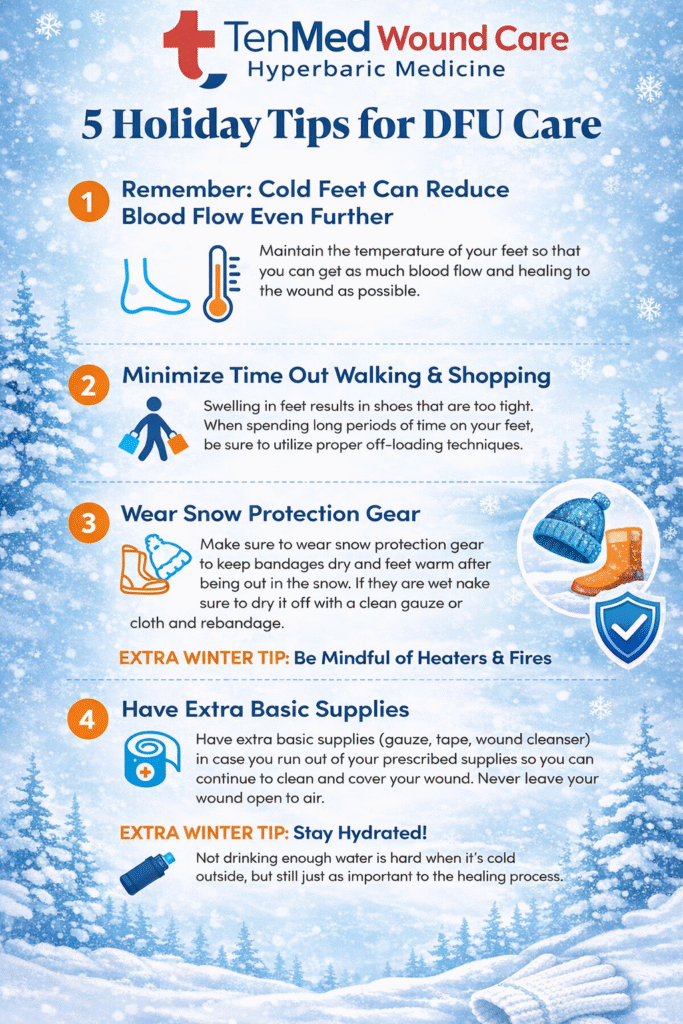
Healing during the winter is different, as it requires little extra care. Cold weather, chill crisp air, and less sunlight can suck your natural ability to heal from a wound on time. Skin becomes drier, circulation may reduce, and wounds can take longer to close if not cared for properly.
That’s why creating a thoughtful winter wound care routine can make a real difference.
You don’t need complicated routines and expensive products to see improvements. Small, consistent habits can protect your wound, speed up the recovery, and help you feel more comfortable all season long.
But first, let’s understand why goal setting matters in wound healing:
Wound healing is a gradual process. And just like any long-term goal, it benefits from structure, patience, and consistency. Setting small and realistic goals helps you stay focused and motivated, especially during winter when healing can feel slower and more frustrating. Instead of only aiming for “complete healing,” break the journey into manageable steps, reducing pain, preventing infection, improving skin condition, or changing dressings on time. Each small win builds confidence and keeps you committed to your routine.
How does goal setting support better healing?
- A clear goal helps you stay organized and maintain regular care.
- It helps you track your progress. You can track your improvement and assure yourself that healing is happening, even if it is slow during the winter.
- With a routine, you give yourself regular wound checks and proper care; this reduces the risk of complications
Now, let’s weave in those daily habits that support your goals, especially tailored for winter challenges.
Step 1. Start by looking at what you already do: before you step into a new routine, elevate your current one.
- Are you changing dressings as instructed?
- Are you looking for signs of infection, like redness, warmth, or increased drainage?
- Are you following your wound care provider’s advice on mobility, offloading, or compression?
Step 2. Set SMART goals for healing: SMART goals are specific, measurable, achievable, relevant, and time-bound. They are effective for wound care. Some of its examples are
Specific: I will change my wound dressing every Tuesday and Saturday.
Measurable: I will keep a simple daily log of wound size and symptoms.
Achievable: I will take short, gentle walks each day to help circulation without stressing the wound.
Relevant: I will drink enough water and eat protein-rich foods to support healing.
Time-bound: By the end of January, I will review my progress with my doctor.
Step 3. Make healing part of your daily life: New Year’s resolutions often aim for lifestyle changes. So add small but significant habits that promote recovery.
Nutrition: Make sure that you focus on proteins, vitamins, and complete hydration.
Skin care: Winters can be harsh on your skin, so make sure you moisturize it properly.
Activity: Physical activity is very important for wound healing and overall fitness. When you are physically active, it improves blood circulation, which helps deliver oxygen and nutrients to the wound area.
Hygiene: maintain proper hygiene by cleaning the wound and your hands properly; this will reduce the risk of infection
Step 4. Track your progress and measure daily milestones: monitoring your healing journey can be motivating and informative.
- Taking weekly photos (with the right safety measures and consent) to track changes
- Logging pain levels, drainage, or wound size in a notebook
- Noting improvements like less swelling, reduced redness, or faster tissue growth.
So celebrate every small milestone, just like you would celebrate sticking to any New Year’s goal. Each sign of progress, no matter how small, is proof that your care and consistency is working.
Conclusion
As we welcome a new year, we want to remind our patients that every small step toward healing is valuable. Recovery doesn’t happen overnight, and winters might slow the healing down, but slow progress is still progress.
So here’s to new beginnings; let’s stick to being consistent, staying committed to your routine, and being kind to yourself along the way.
FAQs: (Frequently Asked Questions)
Question 1: When should I call a specialist instead of managing at home?
Answer: If you see increased pain, redness spreading, swelling, pus, a bad smell, fever, or no improvement after 2-4 weeks of good care. Contact your medical specialist.
Question 2. Any easy winter foods that help with healing?
Answer: Yes! You should focus on proteins, vitamins, and minerals like zinc, and proper hydration. Some easy foods are: Warm chicken or lentil soup for protein, citrus fruits or roasted peppers for vitamin C, and a handful of nuts or seeds for zinc. Hot herbal tea counts toward hydration, too.
Question 3. How can I stay motivated when my wound seems to heal more slowly in cold weather?
Answer: Winter healing can test your patience. Tracking small improvements like reduced pain, healthier skin, or less drainage can help you stay motivated. Setting small goals and celebrating tiny wins reminds you that healing is happening, even if it’s gradual.