
A wound that refuses to heal can be frustrating, painful, and deeply exhausting, both physically and emotionally. What may begin as a small cut or sore can slowly turn into a constant source of discomfort.
They can make simple things like walking and working almost impossible to do. If this is something that sounds familiar to you, don’t worry; you are not alone. Millions of us face this same problem daily.
The good news? Chronic wounds can be hard to deal with, but they are curable; you just need to be extra aware and take extra care, and understanding why these wounds persist is the first step toward healing.
What are Chronic Wounds?
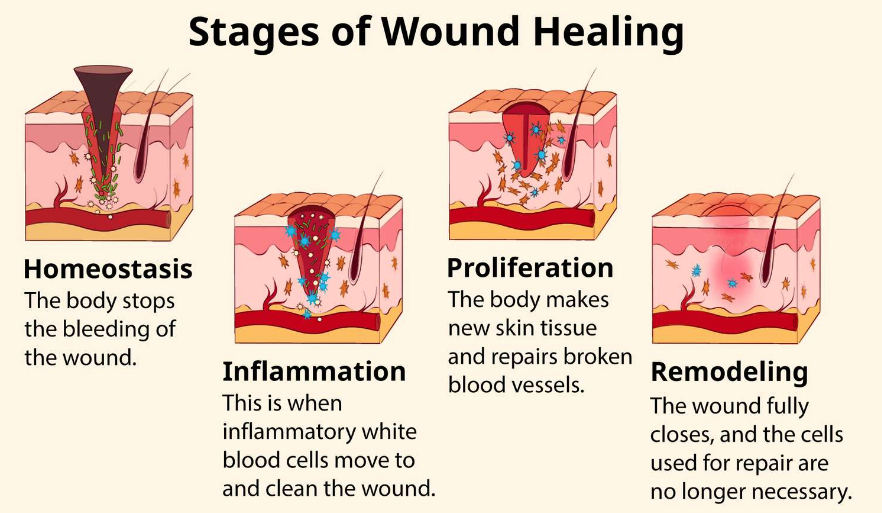
A wound is generally considered a chronic wound when it does not show any significant healing or improvement at all for at least four to six weeks. Unlike acute wounds, chronic wounds get stuck in one phase of the healing cycle and fail to progress.
In fact, instead of repairing damaged tissue, the body struggles to keep the wound stable, often leading to persistent inflammation, infection, or tissue breakdown.
What are the Common Types Of Chronic Wounds?
1. Pressure ulcers (bedsores): Pressure ulcers are generally caused by the prolonged pressure on the skin, especially on the bony areas like heels, hips, and tailbone. Pressure ulcers are common in people who are bedridden or use wheelchairs.
2. Diabetic foot ulcers: These ulcers commonly affect people with diabetes and are often caused by nerve damage (peripheral neuropathy) and poor blood circulation. Because of these conditions, patients may not feel small injuries, which means they go unnoticed and untreated. Or their bodies may have trouble sending enough blood and nutrients to help them heal. Common symptoms of diabetic foot ulcers are numbness or tingling in the feet, swelling, redness, drainage from the wound, foul odor, skin discoloration, and pain.
3. Venous leg ulcers: also known as Chronic venous insufficiency, which means that the veins in the legs don’t return blood to the heart, which causes venous ulcers to form on the lower part of your legs, especially around the ankles. This pooling of blood raises the pressure in the veins of the legs, which makes them leak and break down the skin. Some of the common symptoms are, Thick or weeping discharge, swelling, heaviness, and pain.
4. Arterial ulcers: They develop when blood flow to the skin is reduced, most commonly due to peripheral arterial disease (PAD). Over time, plaque can build up inside the arteries, making it difficult for enough blood to reach the feet and toes. Without adequate oxygen and nutrients, the tissue becomes weak and slow to heal. These wounds are often painful, especially at night or when the legs are elevated. Common symptoms include cold or pale skin, shiny or tight skin around the wound, slow or no healing, numbness, and a deep, well-defined sore that may appear black or yellow in color.
5. Some traumatic and surgical wounds: not every surgical cut or injury heals on time. Conditions like infections, bad nutrition, and chronic conditions like diabetes make the wounds chronic and difficult to heal on time.
Effective Treatment Options For Chronic Wounds:
- Hyperbaric oxygen therapy: This advanced treatment involves breathing 100% pure oxygen inside a pressurized chamber. It helps in increasing oxygen levels in the blood, which reaches the wound site to fight infection, reduce swelling, promote new blood vessel growth, and accelerate tissue repair. HBOT is especially effective for diabetic ulcers, radiation injuries, and other hard-to-heal wounds.
- Negative Pressure Wound Therapy (NPWT): NPWT, also known as wound vacuum therapy, uses a vacuum to remove excess fluids and stimulate the blood flow from the wound site. This helps in creating an ideal environment for healing and prevents infection.
- Debridement: Debridement is a process of removing the dead or infected tissue and is often the first step to restarting healing. This can be done surgically or with special dressings, depending on the wound type and how serious the condition is.
- Advanced wound dressing: advanced wound dressings are designed to maintain the perfectly moist environment that promotes proper healing. These dressings may contain antimicrobial agents, growth factors, or collagen. Which helps in creating a balanced moisture at the wound site and protects it against infection.
- Compression therapy: Compression therapy is often used for venous ulcers. In this therapy, a bandage is applied, and a certain amount of pressure is added to the wound; the right pressure reduces the swelling and helps the vein to push the blood back towards the heart more efficiently.
Conclusion
Living with a chronic wound is challenging not just on the body, but also on emotional well-being and independence. These wounds do not heal on their own because they are often connected with deeper issues like poor blood circulation, infection, or underlying medical conditions. Without proper treatment, they can worsen over time.
But chronic wounds are treatable. With early diagnosis, advanced wound care therapies, and guidance from experienced specialists, healing is achievable.
So, if you are noticing a wound that has been lingering for weeks now, don’t wait; reach out to a wound care specialist ASAP. You deserve proper care, and with the right support, healing is within reach.
FAQs (Frequently Asked Questions)
Question 1. Can stress or poor nutrition really slow down wound healing?
Answer. Absolutely, Healing requires proper energy, protein, vitamins, and proper immune function. Stress, poor diet, dehydration, and lack of sleep, all of these factors can slow the body’s ability to repair itself.
Question 2. Is it normal for a chronic wound to heal and then open again?
Answer. Yes, this can happen with chronic wounds, especially if circulation is poor or pressure keeps returning to the area. Reopening is often a sign that the wound hasn’t fully healed from the inside out. It’s best to get a medical evaluation first if your wound keeps reopening.
Question 3. Why does my wound hurt more at night?
Answer. Pain often feels worse at night because swelling increases when you’re resting, blood circulation changes, and there are fewer distractions. This is common with circulation-related wounds and should be evaluated if it continues to hurt.