
Surgery is often the first step towards healing, but rarely the last; the real healing starts in the OR after the surgery is done. Imagine this: you came out of a surgery that went well, but now you are at home, checking your wound every single morning, and something feels off. The healing doesn’t feel like it should. The area looks irritated… maybe a little swollen… maybe slower than you expected.
This happens more often than people actually realize.
And most of the time, people think it is the worst situation they are in, but trust me, they are not alone. Healing after surgery is rarely a straight line. Some days it feels like progress, and other days it feels like nothing is changing at all.
The truth is, the body sometimes needs a little extra support to heal efficiently. And that’s where treatments like hyperbaric oxygen therapy (HBOT) are becoming an important part of modern recovery care.
Why does healing after surgery sometimes slow down?
When a surgeon performs his surgery, your body immediately shifts into repair mode. After the incision is made on the skin, the doctors close it using stitches. The tissue on your skin is just closed, but it is not healed. Your body starts to prepare for healing itself. But sometimes this healing does not take place as it should.
Why? Because healing depends on several important factors working together at the same time. If even one of these factors is disrupted, the recovery process can slow down. Some of the most common reasons include:
- Limited oxygen supply to the wound
- Reduced blood circulation around the surgical area
- Swelling and inflammation
- Existing chronic medical conditions
For example, people who have diabetes often experience slower healing because their blood circulation is already compromised, and oxygen does not get delivered properly to the tissue. When tissues do not receive enough oxygen, the white blood cells do not work efficiently. As a result, the healing process becomes slower and sometimes more complicated.
What is hyperbaric oxygen therapy?
Hyperbaric oxygen therapy is a medical treatment designed to improve the amount of oxygen your body receives. During HBOT, a patient sits or lies inside a specialized chamber while breathing pure oxygen under increased air pressure. This environment allows the lungs to absorb significantly more oxygen than they normally would.
That extra oxygen then travels through the bloodstream and reaches tissues throughout the body, including areas that may have poor circulation after surgery.
In simple terms, HBOT helps deliver a powerful boost of oxygen directly to the tissues that need it most. And when your body receives more oxygen, it gains the energy and support it needs to repair itself more effectively.
How does HBOT supports in after surgery
Hyperbaric oxygen therapy works with your body’s natural healing process. Instead of replacing it with the traditional wound care treatment. It enhances the environment in which healing takes place.
Here are some of the key ways HBOT can support post-surgical recovery.
1. It Improves Tissue Repair: Oxygen is essential for producing collagen, which is the protein that helps rebuild damaged tissue. HBOT stimulates the cells responsible for creating collagen and new tissue growth. This allows surgical wounds to repair themselves more efficiently and become stronger over time.
2. It Encourages New Blood Vessel Growth: Another major benefit of HBOT is its ability to stimulate the formation of new blood vessels, a process known as angiogenesis.
These new blood vessels help improve circulation in damaged areas and ensure that healing tissues receive the nutrients and oxygen they need.
Better blood flow often means better and faster recovery.
3. It Helps Reduce Inflammation: Swelling after surgery is normal, but excessive inflammation can delay healing and cause discomfort.
HBOT helps regulate inflammation by improving oxygen delivery to the affected tissues. This can reduce swelling and create a healthier environment for healing to take place.
4. It Supports the Immune System: Oxygen also plays a crucial role in helping the body fight infections. White blood cells rely on oxygen to destroy bacteria and protect wounds from infection. With higher oxygen levels in the tissues, the immune system can respond more effectively. This added defense can be particularly important for patients who are recovering from complex surgical procedures.
Who can benefit from HBOT?
Hyperbaric therapy is not generally required after every surgery. But it can be extremely beneficial for so many patients.
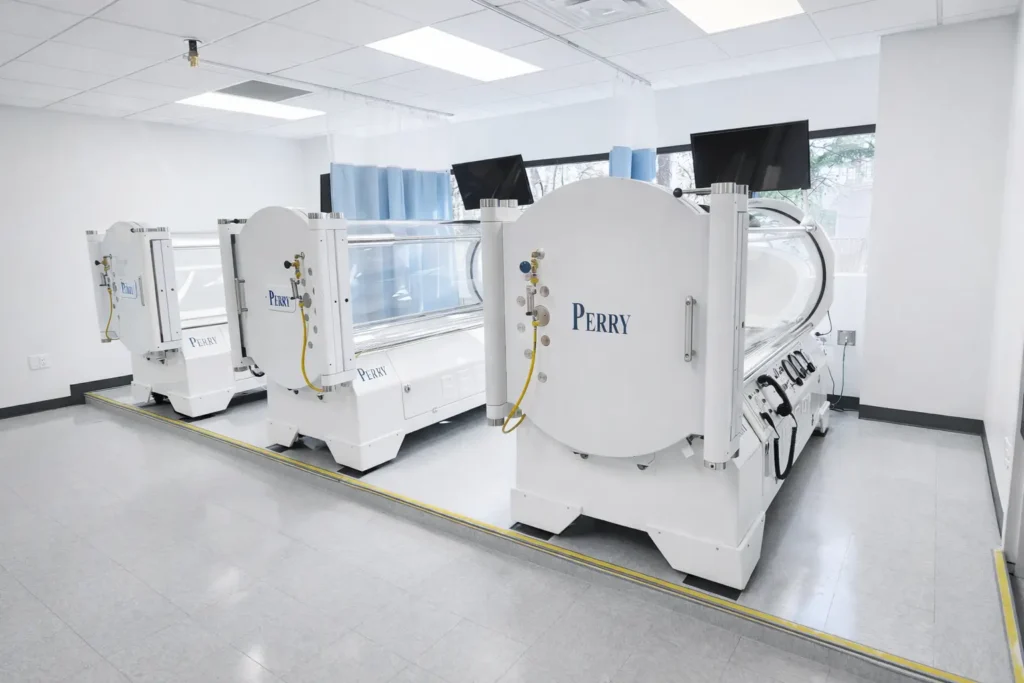
Doctors may recommend HBOT for individuals who experience:
1. Slow-Healing Surgical Wounds: Sometimes a surgical incision takes longer than expected to heal. The wound may remain open, appear irritated, or show little progress over time. In such situations, HBOT can provide the tissues with the oxygen support they need to restart the healing process.
2. Patients with Diabetes: People with diabetes often face circulation issues that slow down the delivery of oxygen and nutrients to the wound area. Because of this, even small surgical wounds can take longer to heal. HBOT can improve oxygen delivery to these tissues and help reduce the risk of complications.
3. Patients Recovering from Complex Surgeries: Procedures such as reconstructive surgery, skin grafts, or flap surgeries require healthy tissue and a strong blood supply for proper healing. HBOT may support these procedures by encouraging better tissue repair and blood vessel growth.
4. Patients at Risk of Infection: If a wound shows signs of infection or has a higher risk of bacterial growth, increased oxygen levels can help the immune system respond more effectively and control the infection.
5. Patients with Poor Circulation: Conditions that affect blood flow can slow down recovery after surgery. HBOT helps improve oxygen delivery even in areas where circulation is limited, which may support faster tissue recovery.
Is HBOT Safe?
Hyperbaric oxygen therapy has been used in medicine for many years and is considered a safe treatment when performed under proper medical supervision.
Like most medical treatments, some patients may experience minor temporary effects such as mild ear pressure, similar to the feeling during airplane travel. In rare cases, patients may feel slight fatigue after a session. However, medical professionals carefully monitor each session to ensure patient safety and comfort.
How TenMed Supports Post-Surgical Recovery
At TenMed Wound Care & Hyperbaric Medicine, the goal is to support patients whose wounds or surgical sites are not healing as expected. We specialize in advanced wound care and hyperbaric oxygen therapy to help improve healing outcomes.
When you reach the clinic, the medical team evaluates you carefully and creates a personalized treatment plan based on the wound condition, medical history, and recovery needs.
By combining specialized wound care expertise with hyperbaric oxygen therapy, TenMed helps create an environment where the body can heal more efficiently.
Final Thoughts
Recovery after surgery does not always follow a predictable timeline. While many wounds heal smoothly, some may take longer due to limited oxygen supply, poor circulation, or underlying health conditions.
Hyperbaric oxygen therapy offers an additional layer of support by delivering high levels of oxygen directly to the tissues that need it most. This can help stimulate tissue repair, support immune function, and improve circulation in healing areas.
For patients who are experiencing slow or complicated recovery after surgery, exploring advanced treatments like HBOT may help support a smoother healing journey.
FAQs: Frequently Asked Questions
Ques 1. Does hyperbaric oxygen therapy help reduce surgical wound infections?
Ans. HBOT may help reduce infection risk by increasing oxygen levels in tissues, which supports the body’s natural immune response.
Ques 2. Can HBOT improve healing after skin graft or reconstructive surgery?
Ans. Yes, HBOT can support skin graft and reconstructive surgery recovery by improving oxygen delivery and promoting healthy tissue growth.
Ques 3. When should HBOT be considered after surgery?
Ans. HBOT may be considered when a surgical wound is healing slowly, showing signs of infection, or when oxygen supply to the tissue is limited.