
A wound that does not heal on time or lingers for too long can show some troubling signs. Especially when it is a small cut or a minor wound, we don’t think twice about it. But what if they don’t heal or instead become worse? This is troublesome, right?
Non-healing chronic wounds are quite common. Days turn into weeks, and instead of improving, they start showing signs of infection or discomfort.
And they require more than basic care. That’s where advanced wound dressing steps in as a powerful solution. While standard gauze or bandages are enough to dress a small cut or scrape, for chronic wounds that do not heal, advanced wound dressing is required.
Understanding Non-healing Wounds
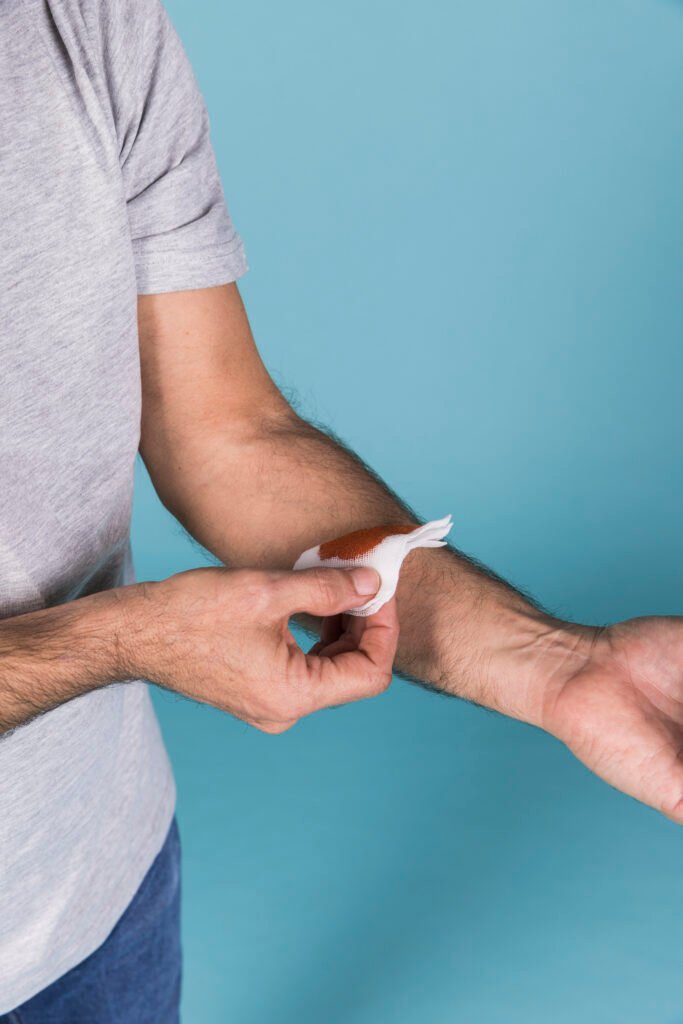
A wound that does not heal is usually defined as one that has had minimal to no improvement even after weeks of standard treatments. Causes of these types of wounds generally include chronic illness like diabetes, poor blood flow, unstable blood pressure, or infection.
Common examples of this type of wound are the following:
- diabetic foot ulcers
- venous leg ulcers
- pressure sores (bedsores)
- and surgical wounds that take longer to heal
The problem with non-healing wounds is that they do not just stay the same; they will continue to get worse over time due to increased pain, infection, odor, and the risk of amputation if not treated properly.
What are the common symptoms of a non-healing wound?
Recognizing non-healing wounds is essential. Here are several indicators of such wounds:
- The wound has not improved after 2 to 4 weeks
- The wound continues to hurt or continues to get worse
- There is redness, swelling, or a sensation of warmth in the area
- There is pus or fluid coming out of the wound
- There is an odor (foul smell) coming from the wound
- There is dead tissue (necrosis) present on the wound
- The tissue surrounding the wound is hard to feel, discolored, or too warm to touch
The above signs indicate that the wound requires advanced wound care, not just home remedies.
Possible causes of non-healing wounds:
For a non-healing wound, there isn’t only one reason. Multiple factors come along and contribute to chronic wounds.
1. Chronic illness such as diabetes: Diabetes can slow down the healing of wounds by restricting blood flow and decreasing the amount of oxygen going to the wounds. When sugar levels are high, the immune system is also weakened, which can increase the risk of getting an infection even from a small cut that would otherwise heal quickly if managed correctly.
2. Poor blood circulation: Blood circulation must be good for a wound to heal properly; if your blood circulation is poor, then your wound will not get enough oxygen and nutrients. So the healing of the wound will be hindered.
3. Continuous Pressure (Bedsores): Constant pressure on specific parts of the body will inhibit proper blood flow to that area. Bedsores are an example of pressure ulcers. Once bed sores occur, they are difficult to heal.
4. Infection: If the bacteria enter the wound, it can completely stop the healing of the wound, and the wound becomes infected.
5. Improper wound care and weak immune system: Another important and common cause of non-healing wounds is improper wound management; if the wound is managed properly in a hygienic condition, the healing can be hindered. On top of that, if the immunity is weak, it can further slow down recovery, making it harder for the body to heal effectively.
What are the treatment options for non-healing wounds?
Treating a chronic wound requires a combination of the right approaches; this is where Advanced Wound Dressing becomes an essential part of care
How does advanced wound dressing help
Advanced wound dressings are specifically designed to address the unique challenges of non-healing wounds. Unlike basic gauze or standard bandages, which mainly serve to absorb blood and cover the area, advanced dressings target the deep layers of the tissue.
- It maintains a moist and warm environment: Maintaining enough moisture is very important for a wound to heal efficiently; an advanced dressing helps the wound to maintain a moist environment. That helps in the growth of healthy tissue and better recovery
- It protects the wound from infection: Non-healing wounds are highly vulnerable to bacteria and external contaminants. Advanced dressings act as a protective barrier, preventing harmful microorganisms from entering the wound.
- It supports faster tissue regeneration: unlike any traditional wound dressing, advanced wound dressing supports the formation of new tissue by creating a supportive and ideal healing environment.
- It reduces pain and discomfort: Traditional dressings can stick to the wound and cause pain during removal. Advanced dressings are designed to be gentle on the skin, minimizing pain and preventing damage to newly formed tissue.
What are the types of advanced wound dressings?
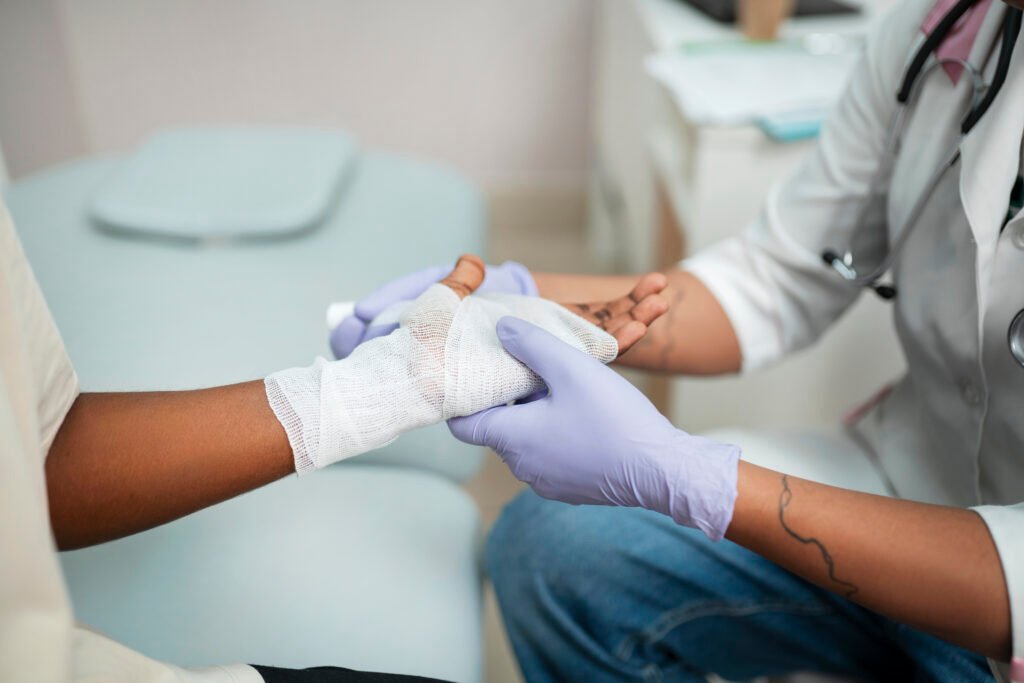
The type of advanced dressings for a wound depends on how it has been treated and/or how it got to where it is today. A physician will prescribe the proper advanced dressing based on different types of advanced dressings, including the following:
- Foam dressing: absorbs excess fluid and cleans the wound
- Hydrocolloid dressing: maintains moisture and protects the wound’s surface
- Alginate dressing: best suited for wounds with heavy discharges
- Hydrogel dressing: Add moisture, making it suitable for dry or painful wounds
- Antimicrobial dressing: assists with controlling and preventing infection
Why is advanced wound dressing important for non-healing wounds?
A non-healing wound can worsen over time if it is not treated properly. It can lead to severe infection, pain, and, in extreme cases, amputation of the infected part.
Advanced wound dressing is important because it reduces all these risks by:
- Supporting faster healing
- Lowering the chances of infection
- Reducing pain and discomfort
- Protecting the wound from further damage
How a non-healing wound is treated at TenMed Wound Care & Hyperbaric Medicine
At TenMed Wound Care & Hyperbaric Medicine, we don’t just focus on treating the wound but first understand why the wound is not healing in the first place. Then we build a personalized plan that may include the following:
- The right advanced wound dressing (foam, hydrogel, etc.)
- Debridement to remove dead tissue
- Hyperbaric oxygen therapy (HBOT) to boost healing
- Offloading to relieve pressure
We track your progress closely and adjust as needed. The result? Wounds that were stuck for months finally start to heal.
Final Thought: You shouldn’t ignore or wait until too late to treat a wound that won’t heal. Whether caused by a simple cut or injury, it can escalate quickly to something very serious if not managed appropriately as soon as possible.
Advanced wound dressings cover wounds but do not create an ideal environment to ensure that your body can naturally and effectively heal from its own injuries through proper management and treatment. Even chronic-type wounds can be treated successfully through timely care, increased comfort & reduced risk of complications, ultimately returning health to normal.
FAQs: Frequently Asked Questions
Question 1. How often should advanced wound dressings be changed?
Ans. It depends on the type of dressing and the condition of the wound. Some may need daily changes, while others can stay for several days as advised by a healthcare professional.
Question 2. Will my wound ever fully heal if I have diabetes?
Ans. Yes, many diabetic wounds heal completely with the right care. The key is controlling blood sugar, using advanced dressings, offloading pressure from the foot, and sometimes adding HBOT. Without these steps, healing is unlikely.
Question 3. How often should an advanced dressing be changed?
Ans. It varies: some foam dressings last 3-5 days; silver dressings may be changed every 3-7 days; hydrogels might need daily changes. It is important that you seek assistance from a medical professional.