Burn injuries are painful. When that burn injury gets infected, it can be even worse. And here’s the thing: most burn injuries don’t even start in emergencies. They often happen during ordinary moments at home, cooking dinner, brewing tea, handling hot tools, or even enjoying a barbecue. A split-second lapse is all it takes for a minor accident to turn into a wound that needs serious attention.
The skin is our body’s first line of defense. When a burn damages it, that protection weakens, and bacteria can sneak in easily. What begins as redness and soreness can quickly become an infected burn wound if not handled properly. This results in more pain, slower healing, bigger scars, and sometimes dangerous complications.
Symptoms of Infected Burn Wounds
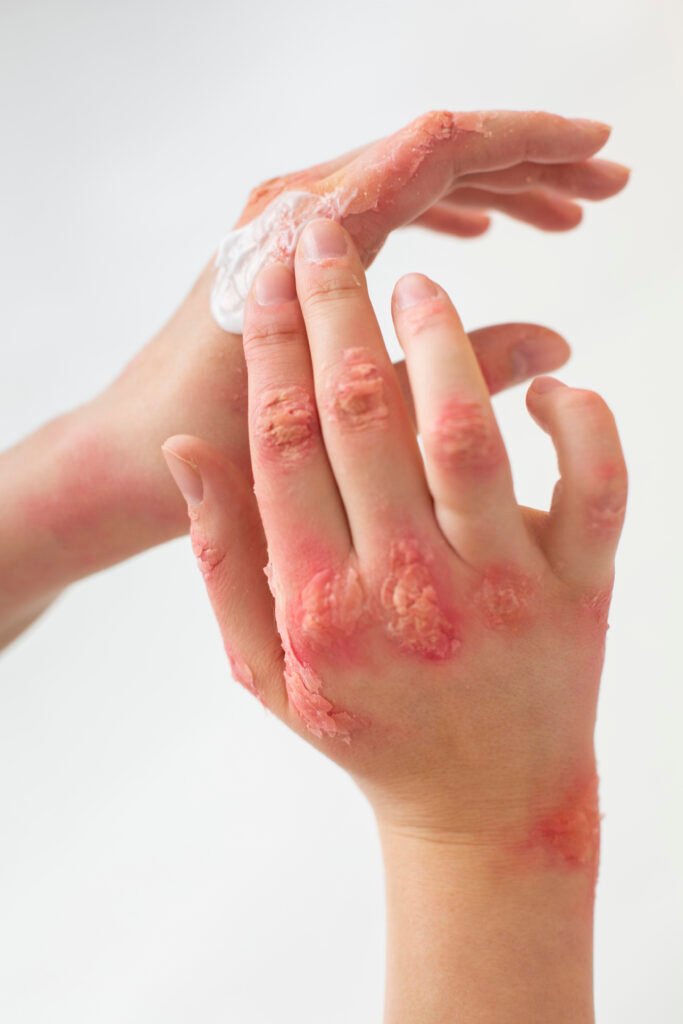
Here is something worth knowing first: not every wound that looks red is infected, because redness is also a sign of healing. An infected burn wound gives very clear signals. But they are mostly overlooked or mistaken as part of general healing.
Common infected burn wound symptoms you should look for are the following:
- Increasing Pain instead of getting better: Burns are expected to have decreasing pain over time as they heal; however, if the pain level worsens after 2-3 days, it indicates a possible infection.
- Increased redness around the wound: It is normal to see some redness after a burn, but if the redness is beginning to expand beyond the area of the burn, this may be a sign of infection.
- Increased swelling and warmth: If the area of the burn is swollen, tight, or warmer to touch in comparison to the surrounding skin, you may have an infection.
- Unusual Discharge like pus: If you see yellow, green, or cloudy fluid (pus) coming out from the site of the burn, this is a strong indication of a possible infection.
- Foul Odor: If you notice an odor from the site of the burn, this may indicate the presence of bacteria.
- Fever or Overall Feeling Poorly: If you develop a fever or chills or feel fatigued, this may indicate that the infection is spreading through your body.
- Non-healing or Slow Healing: If you have not seen any improvement in the healing process of your burn within the last 2-3 days or the burn starts to appear worse. It could be a sign of infection.
What are the causes of a burn wound infection?
When your skin gets burned, the first layer of the skin, which is also the protective layer, gets damaged, and the underlying tissues get exposed to harmful bacteria that make your wound worse.
Causes of an infected burn wound are the following:
Exposure to environmental bacteria: Staphylococcus aureus, Pseudomonas aeruginosa, and Streptococcus are some of the most common bacteria that enter our bodies. These bacteria can be found everywhere around us in the air and even on different objects. This bacterium rapidly colonizes and causes severe harm to the burn wounds.
Improper or delayed first aid: Immediate care is critical when dealing with burns. You should cool the burn with running water for about twenty minutes right after receiving the injury. However, many individuals apply butter, toothpaste, ice, oils, or any other thing just because it sounds like something useful. In reality, doing so makes them vulnerable to infection. Because these items may have bacteria lurking on them.
Lack of dressing change or poor hygiene: A dressing helps heal the burn wound faster by preventing infection. If the dressing is left in place for too long, bacteria will have an excellent place to grow as the wound remains moist and warm. Besides, touching the wound with unclean hands and the use of contaminated materials increase the chances of infection tenfold.
Weak immune system: People suffering from diabetes, HIV, or renal diseases and undergoing chemotherapy are more vulnerable to getting infections in a burn injury. As their immune systems cannot cope with infections effectively, bacteria have a much greater
When should you see a doctor?
Small and superficial burn wounds are easy to treat, and they can also be managed at home. But some deeply infected wounds need immediate attention from a professional.
Go see a doctor if you are seeing symptoms like:
- The wound is bigger than around the size of a palm
- The injury is on the face, hands, feet, joints, or genitals
- There is spreading redness, swelling, or formation of pus
- The wound smells bad or changes color
- If you begin to notice high fever
- The wound does not show any sign of improvement within two to three weeks
- The wound has resulted from a electric burns, chemical burns, or inhalation of hot steam/fumes
What are the treatment options available for infected burn wounds?
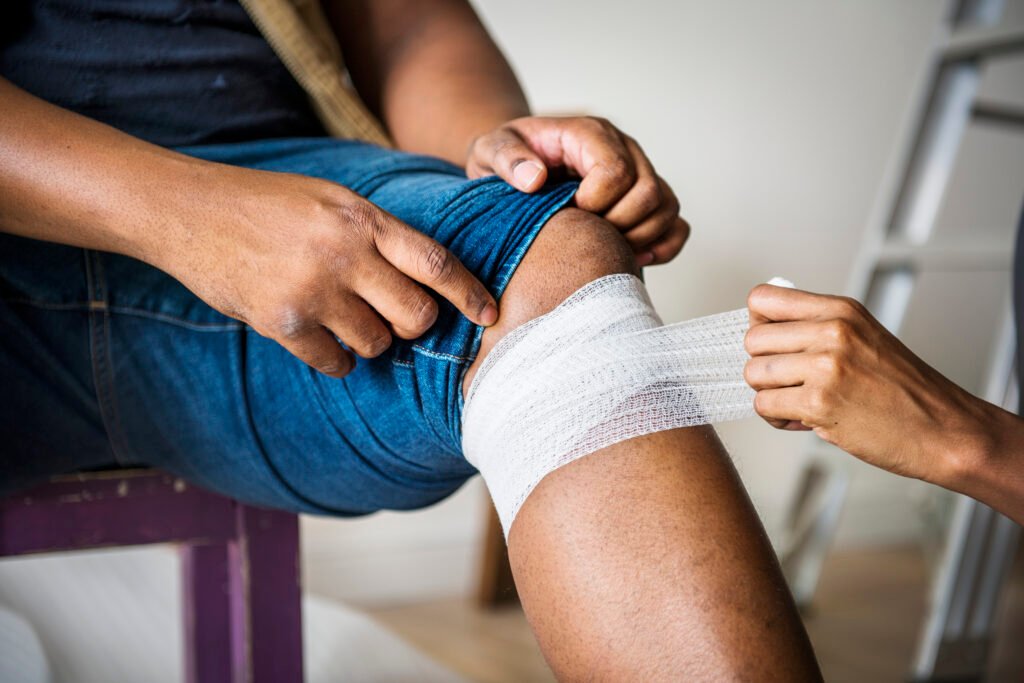
The treatment for infected burn wounds depends on how severe the infection is. Early-stage infections may be easier to manage, while advanced cases require medical care.
1. Topical antimicrobial dressings: Once the wound has been cleansed, antibiotics are applied to the wound. Some of the more efficient antimicrobial dressings available today include both silver-based dressings and medical-grade honey; these reduce bacterial levels and allow the optimum moisture balance to be maintained and create an optimal body healing environment.
2. Antibiotics When infection has spread beyond the wound surface, antibiotics become necessary either in tablet form or through an IV for more serious cases. A wound swab is usually taken first so the laboratory can identify exactly which bacteria are involved. This allows clinicians to prescribe the right antibiotic for the specific infection rather than relying on a broad-spectrum option that may not be sufficient.
3. Hyperbaric Oxygen Therapy (HBOT): HBOT is another option, which could be considered among the more advanced methods of treating burns. In HBOT, the patient breathes 100 percent pure oxygen in a pressurized chamber. Under high pressure, more oxygen can be absorbed by the lungs, and the blood carries the same to the wounded area, where oxygen facilitates increasing the ability to destroy bacteria, reduces inflammation, and promotes the formation of new blood vessels as well as cells, resulting in faster wound healing. The most advantageous part of this therapy is for patients with deep and severely infected wounds because other therapies do not work independently on their own.
4. Skin grafting for severe cases: If a burn injury is so severe that the wound will not heal naturally, then skin grafting is required. The healthy skin from another location on the person’s body is removed and applied carefully onto the wound site. This helps close the wound, lowers the risk of infection, and results in an improved appearance as well.
What does a treatment for an infected burn wound look like at TenMed Wound Care & Hyperbaric Medicine?
At TenMed Wound Care & Hyperbaric Medicine, we understand how stressful and exhausting dealing with a wound can be. That’s why we offer specialized, compassionate care for infected and slow-healing burn wounds.
Our care includes:
- First, we will perform an initial assessment of the wound to evaluate the depth of the wound and the extent of infection and to look for any underlying causes for the wound.
- We will provide expert care in cleaning your wound and debriding your wound by removing any dead or infected tissue.
- Advanced antimicrobial dressings specific to your wound type.
- We also provide hyperbaric oxygen treatment, which helps to deliver pure oxygen, kill bacteria, and promote better healing.
- We help in managing any underlying conditions (for example, diabetes) that could hinder your healing.
- And give you ongoing support and follow-up to help ensure that you heal as quickly as possible and develop the least amount of scar tissue.
So, if you are also dealing with burnt tissue that has been infected or is at the verge of getting infected. Get in touch with TenMed Wound Care & Hyperbaric Medicine now and book a consultation session. We will thoroughly examine your case, explain everything clearly, and come up with the best course of action for you.
Conclusion: While burn injuries appear minor in their beginning stages, infections can dramatically affect your healing journey. A burn injury that would otherwise be healed in a matter of days could become more complex and difficult due to infection symptoms going undetected.
The answer to this problem is quite straightforward. It requires awareness and action, as well as not taking any chances with your body.
When you experience unusual discomfort in the affected area, such as heightened sensitivity to touch, discoloration, inflammation, or delays in healing, it is crucial to consult a doctor. Not only will early detection and treatment help you avoid further issues, but they will also promote healing without scarring.
FAQs: Frequently Asked Questions
Question 1. Can I treat an infected burn wound at home?
Answer. Very minor surface infections may respond to careful home management with proper cleaning and antimicrobial dressings. However, once you notice spreading redness, pus, fever, or a wound that is not improving, home treatment is no longer enough. Infected burn wounds can worsen quickly. That’s why you need professional care.
Question 2. Can people with diabetes get infected burn wounds treated safely?
Answer. Absolutely, people with diabetes are significantly more vulnerable to infected burn wounds because high blood sugar levels impair circulation and immune function, both of which are essential for healing. With the right medical care, including proper wound management and blood sugar control, these wounds can be treated safely and effectively. Early specialist intervention is especially important for diabetic patients.
Question 3. Is Hyperbaric Oxygen Therapy (HBOT) useful for infected burns?
Answer. Yes, it can be quite useful, particularly for infected deep burns that are difficult to treat. With the help of high oxygen content, it kills microorganisms, reduces inflammation, enhances blood circulation, and promotes healing. It is prescribed when other methods fail to give satisfactory results.
Question 4. What is the duration of treatment of infected burns?
Answer. The duration of healing depends on the severity of the wound. In mild cases, improvement starts within 1-3 weeks, whereas severe cases need 4-8 weeks or even more time. Under expert management, such as wound debridement, advanced dressings, and HBOT, patients recover quicker without much scarring.