
People with serious, chronic, or life-limiting conditions may have palliative wounds. The disease can affect the body’s ability to repair damaged tissue, and these wounds can be difficult to heal. In these cases, wound care is not always about complete healing. Instead, the aim is usually to minimise discomfort, control symptoms, protect the skin, and improve the patient’s ongoing condition.
Understanding palliative wounds and their management can help patients, families and caregivers make informed decisions and deliver compassionate care.
What Are Palliative Wounds?
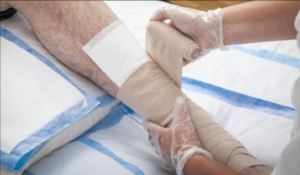
Palliative wounds are wounds that develop in people with serious illnesses, specifically ones that make it difficult for their bodies to heal the wounds. These wounds can be linked to diseases like advanced cancer, restricted mobility, poor circulation, malnutrition, and other diseases that hinder the body’s ability to heal. In palliative care, wound management is different from regular wound treatment. If full recovery is no longer feasible, the healthcare team will concentrate on symptom control such as pain, smell, bleeding, and wound discharge to ensure that the patient is comfortable.
What Causes Palliative Wounds?
Palliative wounds may form when the body’s healing capacity is decreased due to a serious illness. Some frequent causes are reduced physical activity, prolonged bed rest, impaired blood circulation, malnutrition, dehydration, changes to the surface of the skin, pressure on the skin, and advanced cancer. However, multiple factors may be responsible for the formation of a wound. The healthcare professional needs to assess the wound and the patient’s general health condition to be able to recommend an appropriate therapy.
Common Types of Palliative Wounds
Palliative wounds are a category of wounds that usually do not heal due to severe disease or weakness and can include several different types, e.g., pressure sores, cancer-related wounds, damaged skin, and long-lasting wounds. These wounds can be very deep and extensive. Sometimes, a wound may get worse despite treatment because the body may lack the ability to heal. In managing palliative wound care, the main goal is to make things comfortable for the patient.
Symptoms of Palliative Wounds
Palliative wounds can cause physical pain. They can also cause emotional pain. Symptoms will depend on the type of wound and the condition of the patient.
Some common symptoms include:
- Pain/tenderness
- Wound drainage
- Bad smell
- Bleeding
- Swelling
- Irritation or redness
- Skin breakdown surrounding the wound
- Difficulty in moving or sleeping comfortably
Wound odour and drainage may be particularly troubling to patients and families. Good wound management can help control these and make the patient more comfortable.
How Are Palliative Wounds Managed?
Palliative wound care is individualised. The healthcare professional may examine the wound and consider different factors such as size, depth, drainage, odour, the skin around the wound, and the patient’s symptoms.
The treatment is to gently cleanse the wound and apply the appropriate dressings to control drainage and protect the wound. The dressing should be chosen as per the condition of the wound and the patient’s comfort.
Pain management may also be a key part of care. If the dressing changes are painful, healthcare providers can offer suggestions to make it easier for the patient.
When to Seek Professional Wound Care
Wounds in palliative care may be complex and may change over time. Professional assessment is especially important if there is increasing pain, heavy bleeding, significant drainage, worsening odour, changes in the surrounding skin, or other new symptoms.
Also, caregivers who are unsure how to clean the wound, change the dressing, or manage symptoms should get professional guidance.
A personalized plan for wound care can help reduce unnecessary suffering and make daily care easier for patients.
Palliative Wound Care at TenMed Wound Care & Hyperbaric Medicine
At TenMed Healthcare, we adopt a patient-centered approach to wound care. Palliative wound care can involve assessment, symptom management, dressing choices and ongoing monitoring.
It’s not just about the appearance of the wound but how the wound affects the comfort, health and quality of life of the patient. A personalized and caring approach can help patients and families feel more comfortable and confident when managing difficult wounds.
Conclusion
Managing palliative wounds can be challenging, especially when the body’s healing ability is compromised by an underlying illness. In these circumstances, care may be less about complete healing and more about comfort, symptom control, and the health of the patient.
With proper assessment and the right wound care, symptoms such as pain, odor, bleeding, and drainage can often be better controlled. Patients and caregivers should work with qualified healthcare professionals to create a wound-care plan that is tailored to the patient’s condition and personal goals.
Frequently Asked Questions
Question 1. What are palliative wounds?
Answer. Palliative wounds are wounds that occur in patients with serious or life-limiting diseases and may be difficult to heal.
Question 2. What are common symptoms of palliative wounds?
Answer. Among other signs, a palliative wound might be painful, cause bleeding, swelling, redness, irritate the skin, and smell unpleasant.
Question 3. Can palliative wounds heal completely?
Answer. Some may heal, while those with a more serious condition causing the wounds will probably not recover fully. The main aim is the management of the wound.
Question 4. What are the procedures for the management of palliative wounds?
Answer. Among possible steps, one may find the right type of wound dressing, pain relief techniques, and ways to get rid of the smell and stop blood loss and leaking.
Question 5. When should professional wound care be sought?
Answer. See a wound specialist if a wound’s pain worsens, bleeding is very heavy, there is excessive wound discharge, the smell gets stronger, or the skin around the wound.