
Puncture wounds are caused when a sharp object punctures the skin. These types of wounds can be caused by nails, needles, splinters, animal bites, and sharp tools.
A puncture wound can look small. The injury could still be deep. Deeper layers permit bacteria and dirt to work into the skin. This may lead to infection and other serious problems if not treated at the right time. Proper puncture wound care and timely treatment can help minimize the chance of complications. Some puncture wounds require prompt medical evaluation, particularly when they are deep, contaminated, infected, or caused by an animal or person.
What Causes Puncture Wounds?
Puncture wounds can happen at home, at work, or outdoors. Common causes include:
- Stepping on a spike
- Being pricked with a needle
- Walking on broken glass
- Having a splinter
- Animal bites
- Slash you with something sharp.
If the wound is caused by any of the points mentioned above, it can force dirt and bacteria into the wound, or some portion of the object might remain in the skin.
What Does a Puncture Wound Look Like?
Puncture wounds typically look like a small hole in the skin. May cause pain, bleeding, redness, or swelling. Some wounds bleed very little. That doesn’t mean the wound is secure. The injury may be deeper in the tissue.
Pain and swelling should gradually improve as the wound heals. Increasing pain or swelling may be a sign of infection or another complication.
Watch for signs such as
- Increasing pain
- Spreading redness
- Increased swelling
- Warmth around the wound
- Pus or other drainage
- Red streaks extending from the wound
- Fever
- A wound that does not heal
These symptoms may indicate an infection and should be evaluated by a healthcare professional.
Why Do Puncture Wounds Get Infected?
Puncture wounds create a narrow path into the body. Bacteria can enter through this opening and become trapped under the skin. A dirty nail can push bacteria deep into the foot. A splinter can stay inside the wound and delay healing. Some infections can spread to deeper tissue. Early treatment can help prevent the problem from becoming more serious.
How Are Puncture Wounds Treated?
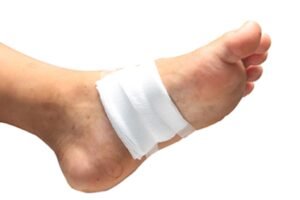
Here are some of the ways that help in the treatment of puncture wounds
- Small cuts may require cleaning and covering and frequent dressing changes.
- Deep or dirty wounds may need an evaluation by a medical provider. A health care provider can check the depth of the wound and check for infection or a foreign object.
- Treatment might consist of wound cleaning, removal of foreign matter, medication, or other wound care.
- Some puncture injuries may require you to check your tetanus vaccination.
- Some injuries heal slowly. And others develop issues.
- These wounds may need special wound care.
When Should You See a Doctor?
Seek medical attention if the wound is deep or heavily contaminated. Seek care if the injury was caused by an animal or person.
If the wound starts hurting more, or it swells or turns red, get medical help. Then there is the fever and the drainage to be considered.
Any wound that does not heal needs to be checked out. The wound may be infected or have some other problem that is slowing healing.
TenMed Wound Care & Hyperbaric Medicine specializes in the treatment of hard-to-heal wounds. Our team will examine the wound and create a treatment plan that is unique to the patient’s needs.
How Can You Prevent Puncture Wounds?
There are number of ways one can prevent puncture wounds. Some of them are:
- Wear protective shoes when working outdoors.
- Keep sharp items secure and properly stored.
- Always wear the proper safety equipment when working with tools.
- Maintain clean work areas.
- Remove nails, broken glass, and other objects with sharp edges from walking spaces.
- Handle needles and other sharp objects with care. Be careful of animals that can bite.
- Seek medical attention if the wound is deep
- A puncture wound may look tiny, but it can cause problems.
- Do not ignore a wound that is painful, swollen, red, or infected.
If you have a puncture wound that won’t heal, TenMed Wound Care & Hyperbaric Medicine can evaluate the wound and provide specialized treatment.
Frequently Asked Questions
Question No 1. Can a small puncture wound become serious?
Yes. A tiny opening may cover up a deeper wound. Bacteria can also get into the deeper tissue.
Question No 2. What signs indicate an infected puncture wound?
Watch for increased pain, redness, swelling, warmth, drainage, or fever. These symptoms can mean an infection.
Question No 3. Can I treat a puncture wound myself?
You may treat minor wounds at home. Clean the wound and cover it. See a health care professional if the wound is deep, dirty, or worsening.
Question No 4. Do puncture wounds require a tetanus shot?
Some puncture wounds may need a tetanus booster. Your health care provider can look over your vaccination record and guide you.
Question No 5. What if something is stuck inside the wound?
Always remember it. A foreign body can delay healing and increase the risk of infection. A healthcare professional can examine the wound and can safely remove it.