
Hyperbaric Oxygen Therapy
Curious about Hyperbaric Oxygen Therapy?
Dr. Behlmann shares what you need to know.
Hyperbaric Oxygen Therapy


Conditions Treated
Diabetic wounds
Chronic bone infection
Vascular disease
Skin Flaps/Grafts
Radiation tissue damage
ORN
Radiation soft tissue necrosis
Radiation cystitis / proctitis
Crush Injuries
Hemorrhagic Cystitis
Other
Typical Session
At TenMed Wound and Hyperbaric Medicine, Hyperbaric Oxygen Therapy (HBOT) is a safe, non-invasive treatment used to enhance healing for chronic wounds and other medical conditions. HBOT helps increase oxygen delivery to damaged tissues, promoting faster healing, reducing swelling, and fighting infection. It’s commonly used for diabetic foot ulcers, radiation injuries, surgical wounds, and more.
Pre-Treatment Evaluation
Before your first session, our clinical team will review your medical history and complete a physical assessment to ensure HBOT is right for you.
Preparation
You'll be asked to wear 100% cotton clothing provided by our staff and remove any prohibited items (like electronics or flammable materials).
Entering the Chamber
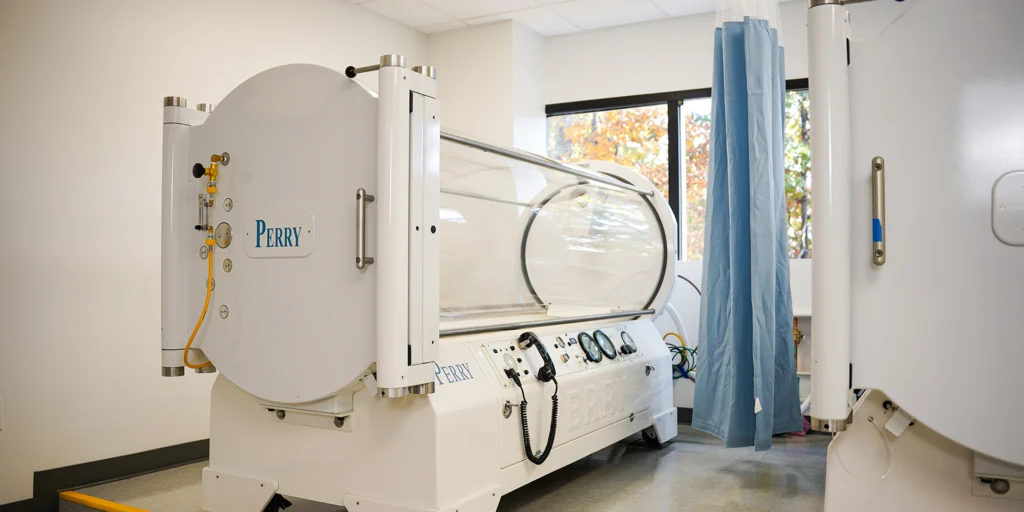
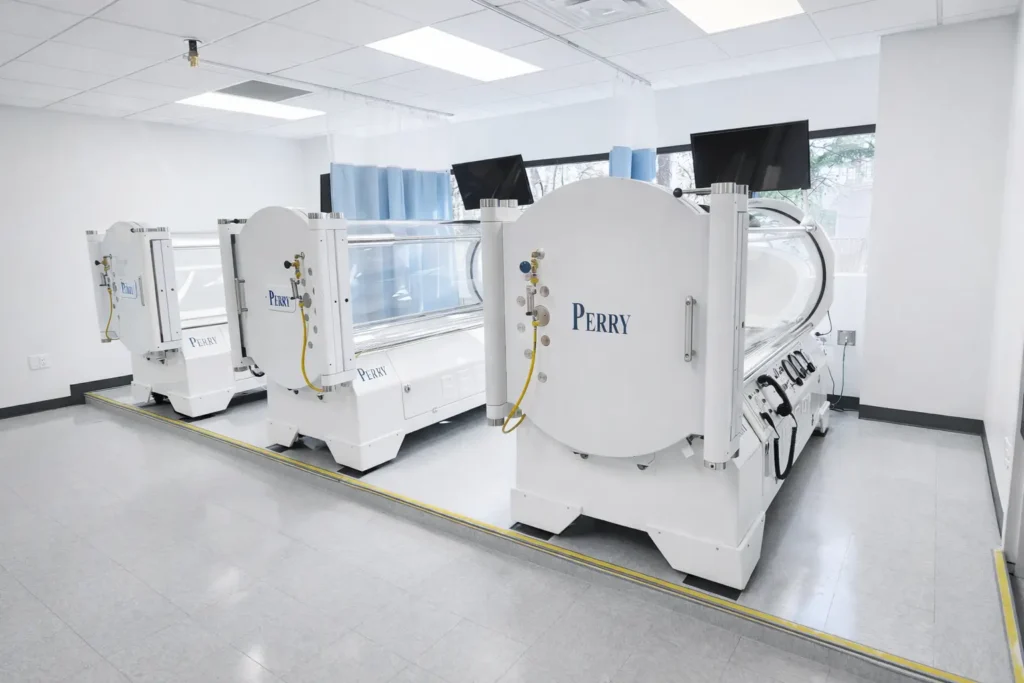
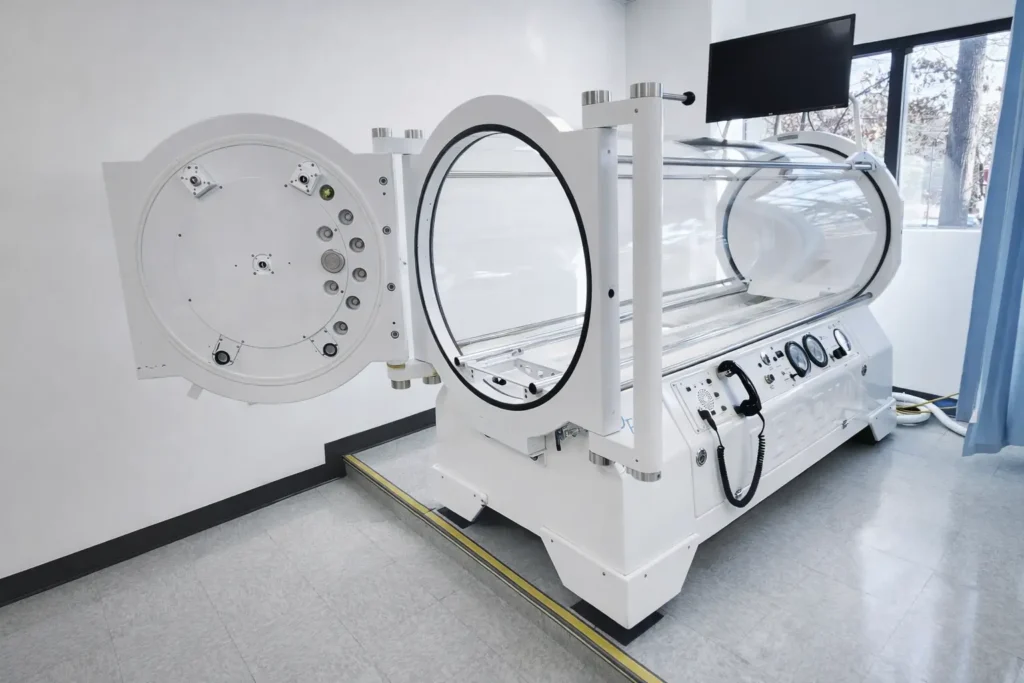
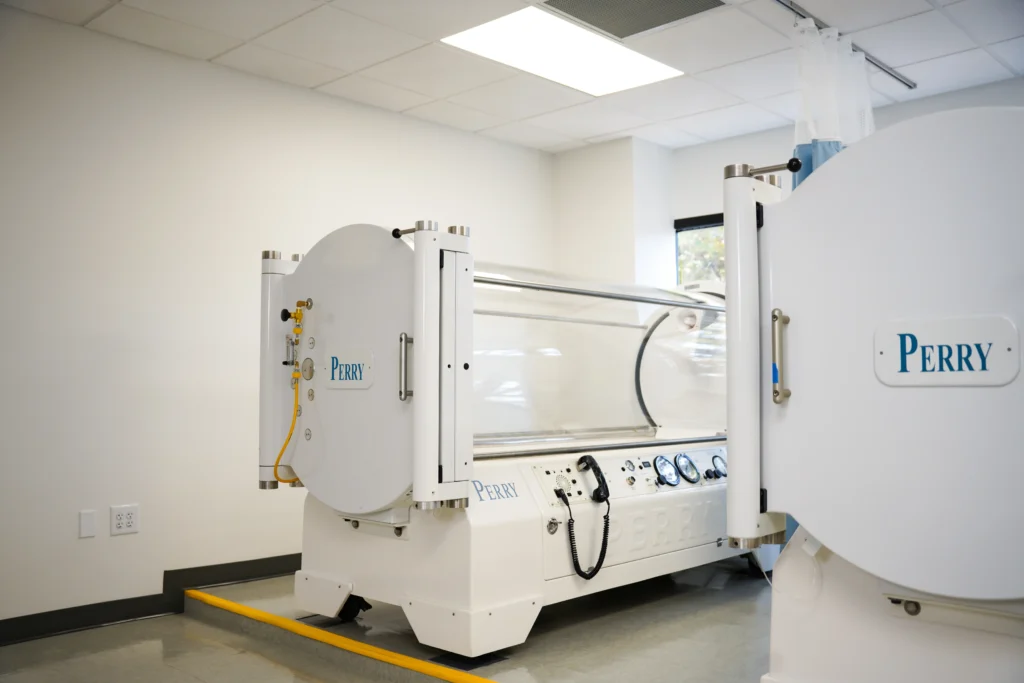
You'll lie comfortably in a clear, pressurized chamber. Our technician will be with you every step of the way to ensure your comfort.
Oxygen Therapy
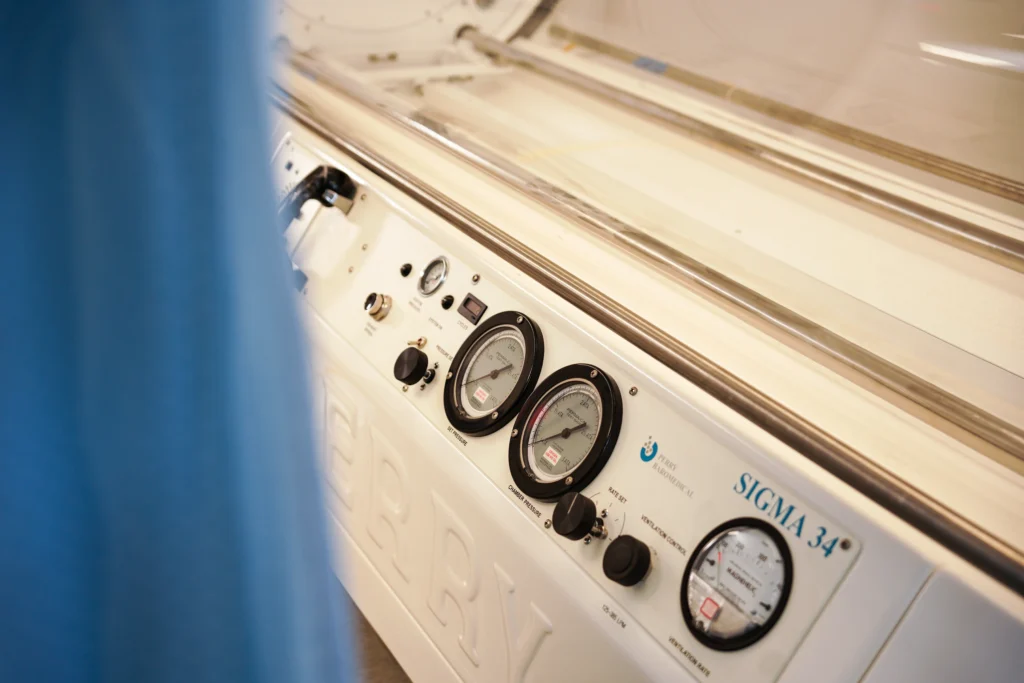
Once the chamber reaches the prescribed pressure, you'll breathe pure oxygen. This process typically lasts around 90 minutes and may involve gradual pressure changes, similar to flying in an airplane.
Post-Treatment Monitoring
After the session, our team will assist you out of the chamber and monitor you briefly to ensure you feel well before you leave.
What is Hyperbaric Oxygen Therapy
Hyperbaric Oxygen Therapy (HBOT) is a specialized treatment that enhances the healing process for patients with chronic and hard-to-heal wounds. In a controlled environment, breathing 100% medical-grade oxygen at hyperbaric pressures allows far more oxygen to dissolve into the bloodstream, increasing the delivery of oxygen to the body by providing pure oxygen in an enclosed space with higher-than-normal air pressure.
A painless procedure, HBOT can effectively treat and heal many health conditions and promote the body’s natural healing process. You may hear the HBOT process called other names, such as hyperbaric oxygen treatment, oxygen treatment, and hyperbaric therapy.
Conditions treated by hyperbaric oxygen therapy
Hyperbaric oxygen therapy essentially saturates tissues with oxygen. A hyperbaric environment energizes the healing process by reducing inflammation and improving blood circulation. This therapy is especially beneficial for chronic wounds, diabetic foot ulcers, radiation-induced injuries to tissues, and any case where there is decreased oxygen to tissues. Obtaining a prescription for HBOT involves a thorough medical evaluation that determines whether this treatment is beneficial for the patient. At TenMed, Hyperbaric Oxygen Therapy is part of a comprehensive evidence-based plan for optimum healing in wound care.
Benefits of Hyperbaric Oxygen Therapy
Increased blood flow
Your body's natural healing process can benefit greatly from the higher oxygen levels generated by HBOT. Low blood flow and insufficient oxygen supply are also linked to some mental health issues. Attention deficit disorder and bipolar disorder are two of the many mental health conditions that HBOT effectively treats and improve.
Accelerated healing
Your body's capacity to heal itself is enhanced by the higher oxygen levels generated by HBOT. In addition to boosting cells and tissues as they naturally repair the damage within your body, the increased oxygen content lowers inflammation and swelling.
New cell generation
Hyperbaric Oxygen Therapy facilitates the formation of new blood vessels, a process known as angiogenesis, which is critical for delivering oxygen and nutrients to damaged tissues. By enhancing vascular growth, HBOT supports the regeneration of connective tissues and promotes the development of healthy skin. This increased oxygenation also stimulates cellular repair mechanisms, encouraging the replacement of damaged cells with new, functional tissue, ultimately contributing to faster and more effective wound healing.
The History and Evolution of Hyperbaric Oxygen Therapy
The Resurgence of Hyperbaric Medicine
HBOT in Chronic Wound Care
- Increase new blood vessel formation
- Support collagen production
- Enhance white blood cell activity
- Reduce swelling and inflammation
- Improve tissue survival
- Accelerate wound healing
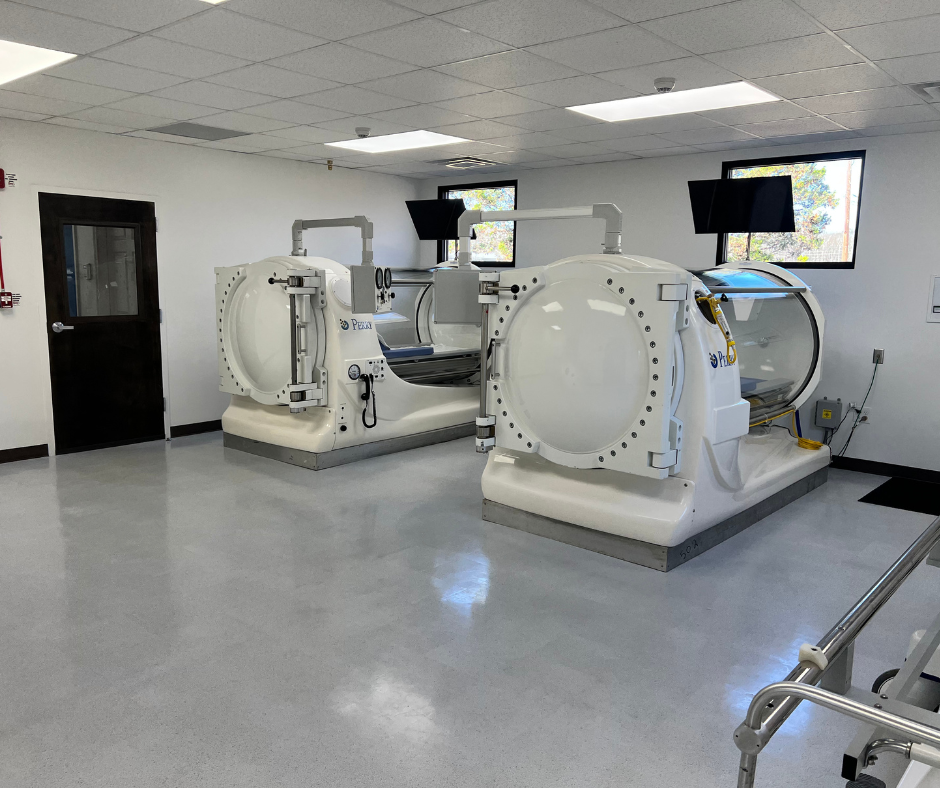
Hyperbaric oxygen therapy today:
How Hyperbaric Oxygen Therapy Works
Start Healing Now
We can usually schedule an appointment within a few days.