
Winter keeps us busy between cozy evenings, comfort food and holiday shopping. It is also great for warm clothes and festive moods. Winter has a way of slowing everything down, from morning routines and weekend plans to the healing of wounds, due to the cold air and dry weather.
The good news? Paying a little extra attention and adopting a few smart habits can prevent small issues from turning into bigger ones.
Let’s Try To Understand How One Can Manage Wounds In Winter:
-
- Cold weather Impact: Due to cold weather, blood flow reduces, and it slows down the wound healing process. Preserving core temperature is the body’s natural response, which leads to a reduction in circulation and delays the healing of a wound.
-
- Dry skin: Dry air typically causes loss of moisture in the skin. In winter, dry skin is more prone to breaking and cracking, which can cause new cracks and wounds to appear, and if there is an existing wound, it gets worse.
-
- Risk of Infection: Infection risk can be higher in winter due to a weak immune system, influenced by vitamin D deficiency from reduced sunlight. One should not skip wound cleaning. Make sure to gently clean the wound daily to prevent infection. Think of how you don’t skip brushing your teeth just because of the festive season, right?
-
- Keep your skin moisturized: Dry wounds take time to heal because winter steals moisture from the skin faster than lightning speed. So, keeping skin moisturized can be beneficial. One should use an ointment or moisturizer recommended by the doctor, which can lock in moisture and protect the wound in dry air.
-
- Avoid uncomfortable clothing: Cozy layers are great for winter, but tight clothes that rub against the wound, not much! Your festive outfit should be healing-friendly, and always choose those fabrics that do not irritate your skin.
- Healthy food for speed recovery: No doubt, holiday treats are always tempting, but your body requires nutrients to repair those wounds. Zinc, iron, magnesium, calcium and plenty of water help to make the wound healing process fast. One should enjoy sweets in the festive season, but don’t forget to feed your body with healthy meals too.
- Avoid uncomfortable clothing: Cozy layers are great for winter, but tight clothes that rub against the wound, not much! Your festive outfit should be healing-friendly, and always choose those fabrics that do not irritate your skin.
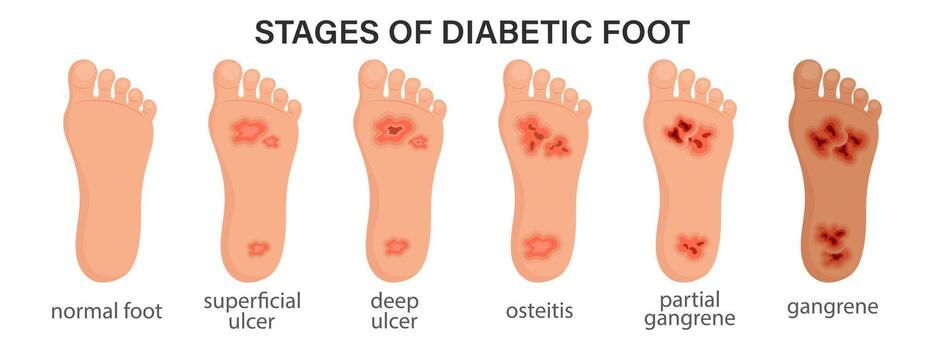
Why do Diabetic Patients Need Extra Care During Winter?
Due to high sugar levels, nerve damage, and poor circulation, diabetic patients need extra care. Due to cold weather, the risk of infection increases and slows down the wound healing process. That’s why it has become necessary for diabetic patients to take regular doctor checkups. Make it a habit to check the wound every day for any signs like redness, swelling, or unusual discharge. If you notice anything worrying, don’t delay. Getting timely advice from a wound care professional can help avoid complications and support quicker healing, especially during winter.
How Rest Can be Helpful in Recovery
Rest is extremely important for wound healing, especially during winter and the hectic holiday season. When you get enough sleep and proper rest, your body uses that time to repair damaged skin and build new cells. Blood circulation improves during rest, and healing hormones are released, which help reduce swelling and inflammation.
On the other hand, staying up late, traveling often, or following an irregular daily routine can slow down recovery. When the body doesn’t get enough rest, wounds may take longer to heal, and the risk of infection can increase.
Simple Habits Can Create a Huge Difference
Even small habits like sleeping for 7–8 hours, taking short breaks during the day, and avoiding extra pressure on the injured area can make a big difference. Keep in mind, proper rest is not laziness; it is a part of recovery and helps your body heal faster and in a better way.
When Wounds Need Expert Care
There are many wounds which need more than just home care for healing, especially during winter. It becomes essential to have professional support when the wound is not healing or shows wound dehiscence. TenMed focuses on extra wound management, making sure the wound gets the correct care exactly when it is needed. TenMed Wound Care Hyperbaric Medicine offers specialized attention for chronic, diabetic, and slow-healing wounds. Regular assessments, modern treatment methods, and continuous follow-ups help reduce complications and support faster healing.
Winter may slow things down, but your healing should never be put on hold. Cold weather, dry skin, festive schedules, and travel can all affect how a wound heals, especially for people with diabetes. The key is consistency: clean the wound properly, keep it moisturized, eat nutritious food, get enough rest, and watch closely for early warning signs. Acting at the right time can really change how well and how fast the wound heals.
If a wound is not improving or shows signs of infection, timely medical care like TenMed Wound Care Hyperbaric Medicine can prevent complications and long-term problems. With the right guidance, support, and expert wound care, healing can stay on track throughout the winter.
FAQ’s
Question 1. If I have a wound and it is showing some white discharge. Should I worry about it?
Answer. Yes, of course. Because white discharge can be a sign of infection. And it immediately requires professional care to heal it.
Question 2. If my wound is not healing, is it required to consult a professional care provider?
Answer. Yes. If your wound is not healing, it is important to consult a professional care provider. A non-healing wound may be a sign of infection or poor circulation. We at TenMed provide advanced care treatment for wounds which are not healing and are from a long period of time. And having professional care at the right time can reduce the risk of infection and speed the recovery of the wound.
Question 3. Why does my skin get so dry in winter, and how does that impact a wound?
Answer. Indoor heating and cold outdoor air remove moisture from both the air and the skin, causing dryness and cracking. When skin becomes dry and cracked, wounds take longer to heal, and small cracks can allow bacteria to enter, increasing the risk of infection or new wounds.
Ques 4. Does what I eat matter in my wound healing process?
Answer. Yes, wound healing requires a healthy diet for speedy recovery. When the body gets the proper nutrients, it helps the body to produce new cells and heal of the wound. Zinc, copper, calcium, and magnesium are some essential nutrients.