
Have you ever ignored a minor cut or scrape on your skin, assuming it would heal on its own? This is a very common habit — almost all of us do it. But our skin is the largest organ, and the most visible one as well. Your skin constantly works to protect you from thousands of bacterial threats.
But even a minor tear in the skin can allow bacteria to breach the delicate tissue beneath it. These are called skin and soft tissue infections (SSTIs).
What are Skin and Soft Tissue Infections?
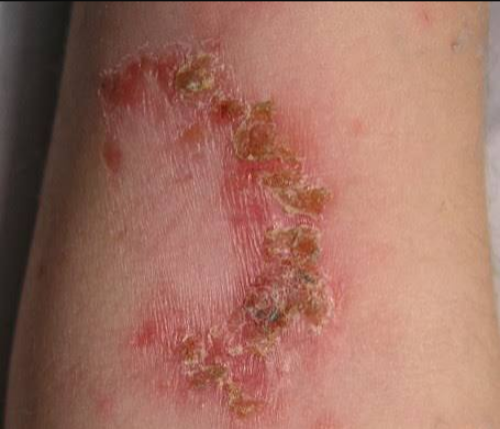
Skin and soft tissue infections (SSTIs) occur when harmful microorganisms, mainly bacteria, invade the skin through breaches in its main protective barrier, such as large surgical incisions, small cuts from paper, insect bites, or dry/cracked skin. These invaders grow and multiply in the tissue layers beneath the skin, including subcutaneous adipose tissue, fascia, and muscle.
There are two types of skin and soft tissue infections:
- Uncomplicated Infection: Uncomplicated SSTIs are superficial, localized infections (e.g., minor abscesses, cellulitis, folliculitis, and impetigo) and usually resolve with standard treatment.
- Complicated Infection: Complicated SSTIs extend into deeper structures of the body and are frequently treated surgically, such as necrotizing fasciitis, or occur in immunocompromised patients or those with serious underlying health issues.
What are the symptoms that identify a skin and soft tissue infection?
The most effective way to improve your recovery from a skin and soft tissue infection (SSTI) is to recognize the early warning signs. While all types of SSTIs are characterized by a distinct combination of features, they share many of the same basic signs of infection. After noticing that you’ve been bitten by an insect, the following signs will help you determine whether your skin is infected.
The key indicators of a spreading infection are:
Increased Redness: The affected area will become progressively more red. If you notice any reddening of the skin surrounding the bite, the infection may be spreading.
Swelling of the Skin: Your skin may become swollen (edema) as the immune system moves white blood cells and fluid into the area to help fight off the bacteria.
Warmth in the Affected Area: You may notice some warmth to the touch. Always compare the affected area to a healthy area of skin to see if there’s a difference between the two.
Pain and Tenderness to the Touch: You will generally experience some pain and tenderness in the infected area. Pain typically ranges from a mild ache to more severe, throbbing pain.
Pus or Drainage: Drainage will usually be present from the infected area. Pus can appear white, yellow, or greenish, depending on the bacteria producing it.
Possible Causes: How Do These Infections Start?
Although people often believe their skin is very strong and difficult to breach, bacteria can easily enter the body through even small cuts. Once bacteria enter the body, they can grow rapidly because the body is warm and contains many nutrients, allowing harmful bacteria to reproduce quickly. As these bacteria grow, they multiply and spread into deeper layers of skin tissue.
Common Ways for Bacteria to Enter the Body
Injuries: Small cuts, scratches from gardening, and splinters create small openings for bacteria to enter the body.
Animal and Bug Bites: An animal or bug bite, such as a mosquito or dog bite, can introduce bacteria into the skin; likewise, a pet scratch can allow bacteria to enter the body.
Long-Term Skin Conditions: Conditions like dry, cracked, or inflamed skin (e.g., eczema, psoriasis, and athlete’s foot) create thousands of tiny openings on the skin’s surface.
Surgical or Medical Procedures: A recent surgical wound, a new piercing, or a new tattoo can introduce bacteria into the body if proper sterilization wasn’t used.
Most soft tissue infections are caused by two common types of bacteria:
Staphylococcus (Staph): Staph bacteria are most commonly associated with localized skin lesions, such as an abscess or puncture wound, but certain strains can cause significant infection, including Methicillin-Resistant Staphylococcus aureus (MRSA). Early detection and treatment are very important for preventing these infections from getting out of hand.
Streptococcus (Strep): Strep bacteria spread rapidly through the skin and usually do not remain at the site of the original infection. This type of spread can result in a serious bacterial skin infection called cellulitis.
When should you see a doctor for a skin and soft tissue infection?
You should not wait too long to seek medical attention. Take immediate action and schedule an appointment if you notice the following:
The Redness Is Spreading: The red border on your skin is expanding outward or getting larger day by day.
The Pain Is Getting Worse: The pain changes from a mild ache into severe, throbbing pain that doesn’t go away.
You Develop a Fever: Your body temperature rises, or you experience sudden chills and shivering.
The Wound Won’t Stop Draining: The site continues to leak thick, foul-smelling pus or greenish fluid.
You Have an Underlying Health Condition: If you have diabetes, a weak immune system, or poor circulation, your body cannot fight infections easily. You must see a doctor immediately for any skin changes.
What are the treatment options for skin and soft tissue infections?
The type of medical treatment you receive for these infections will depend on how deep the bacteria have invaded the skin. The following are some examples of the treatments you can expect.
- Antibacterial Medications
Topical antibiotics: For a very small, surface-level skin infection (like a small patch of impetigo), a topical prescription ointment may be sufficient treatment.
Oral antibiotics: For spreading infections (such as cellulitis), a doctor will prescribe an oral course of antibiotics for 5–10 days. It’s extremely important to finish the full course as prescribed, even if your skin appears to have healed after only a few days. If you stop taking antibiotics early, the strongest bacteria can survive and potentially cause a more severe infection later.
Intravenous antibiotics: For a very severe or rapidly spreading infection, antibiotics are administered directly into the veins so they can work faster.
- Minor Procedures
Incision and Drainage (I&D): If you have an abscess or boil, it forms a tight pocket of trapped pus. Antibiotic pills cannot easily reach inside this pocket. A medical provider will numb the skin, make a small incision to let the fluid drain, and clean the area. This provides almost instant pain relief.
- Advanced Wound Care Treatment
For deep, complicated infections especially in patients with diabetes or poor blood circulation — modern medical intervention employs advanced therapies that enhance wound healing and tissue protection:
Hyperbaric Oxygen Therapy (HBOT): This therapy delivers 100% pure oxygen to the patient in a specially designed chamber under high pressure. This fills the bloodstream and deeper tissues with oxygen, killing bacteria directly, reducing swelling, and allowing the body to build new blood vessels to heal the wound from within.
Negative Pressure Wound Therapy (Wound Vac): A special sealed dressing is placed over the wound and connected to a gentle vacuum pump. This continuous suction removes excess fluid, draws the edges of the wound together, and increases blood flow to accelerate healing.
Bioengineered Skin Substitutes: For significant tissue loss, specialized cellular coverings are used to protect the deep layers of skin from further bacterial invasion while stimulating the skin to regenerate.
How does TenMed Wound Care & Hyperbaric Medicine treat this condition?
At TenMed Wound Care & Hyperbaric Medicine, we believe that accessing immediate treatment for a skin infection should be simple.
When you visit a TenMed clinic, our medical team takes care of you step by step. We first assess your condition, then use a special medical pen to mark the edges of the redness, allowing us to accurately measure whether the infection is getting smaller or larger over time.
If you have an infected area, we will perform a sterile incision and drainage procedure under anesthesia if needed. And if your case is more critical, we will set you up with options for quicker recovery, such as Hyperbaric Oxygen Therapy (HBOT).
Book an appointment with us today!
Conclusion:
Skin and soft tissue infections can progress from minor injuries to major complications if not managed properly, making early recognition of symptoms like spreading redness, heat, and pain crucial for preventing serious outcomes.
Expert medical care, including specialized services such as hyperbaric oxygen therapy, is recommended for infections that do not resolve, ensuring proper treatment for conditions like cellulitis or abscesses.
FAQs: Frequently Asked Questions
Question 1. I have type 2 diabetes and just noticed a red, swollen bug bite. Why are skin and soft tissue infections so much more dangerous for diabetics?
Answer. Diabetes lowers blood flow and weakens the immune system. This makes it much harder for the body to fight off a skin and soft tissue infection, meaning a minor bite can turn into a serious medical emergency overnight.
Question 2. How can I protect my skin from getting another skin and soft tissue infection in the future if I get a cut or scrape?
Answer. The best defense is immediate first aid. Wash any new cut, scrape, or bug bite right away with mild soap and warm water. Apply plain petroleum jelly or antibiotic ointment to keep it moist, and cover it with a clean bandage to block bacteria from entering.
Question 3. If I start taking antibiotics for a skin and soft tissue infection, how fast should I expect my skin to start looking normal again?
Answer. You should start feeling less pain and throbbing within 24 to 48 hours. However, the redness takes a few days to disappear completely. Always finish the entire prescription so the infection does not return.
Question 4. What symptoms should I look for if my cut is turning into a skin and soft tissue infection?
Answer. Look for spreading redness, warmth, worsening swelling, and throbbing pain that gets worse over time. Seeing white, yellow, or green pus draining from the wound is also a clear sign of a skin and soft tissue infection.