
Every year, millions of people go through dog bites worldwide, and the majority of these wounds result in infections because of improper management. This is because many people either react too much to a dog bite or simply do nothing, both of which are dangerous.
The wound from a dog bite is very prone to bacteria.
That is why taking proper care of a dog bite wound is very important. Because when you don’t timely treat the wound, it will lead to complications such as infections, tissue damage, and delayed healing.
Symptoms: What Does a Dog Bite Wound Look Like?
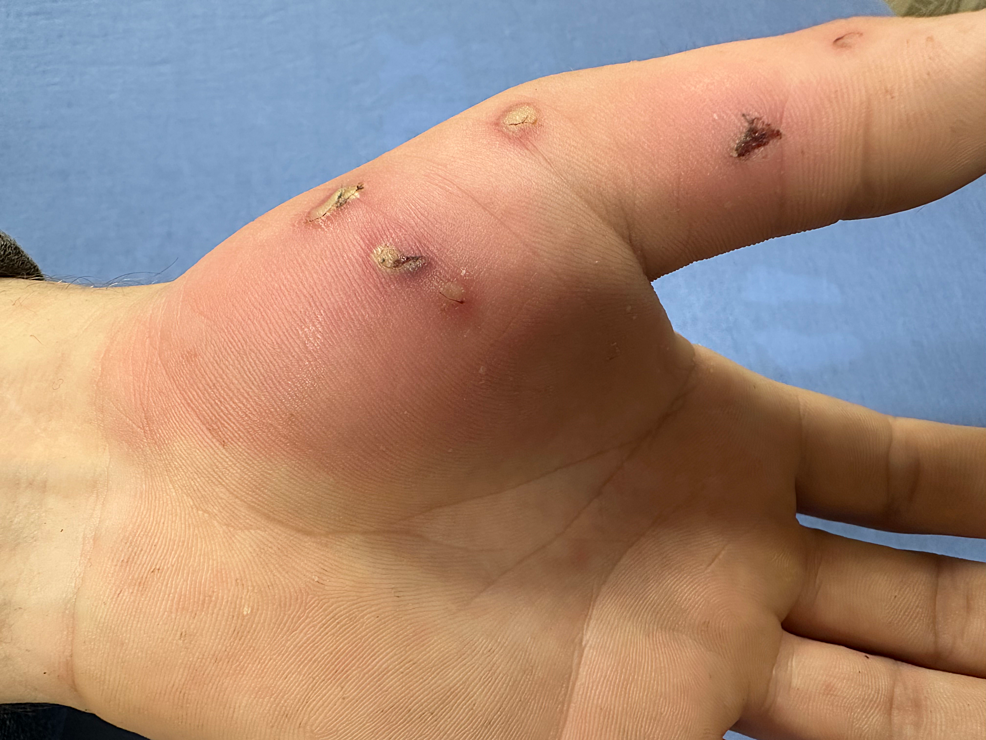
Signs of a dog bite injury can vary depending on how deep it goes. Also, the types of dog bites are different; some are just superficial, and some can be aggressive. At first, you may just see a little cut or bleeding, and when you check again a few hours later, you could see a lot of redness and swelling. As time goes on, the body will tell you if the wound is healing properly or if the wound is getting infected. The common symptoms that tell if a wound is infected or not are the following:
- Redness with swelling around the puncture wound that actually continues to get worse instead of better
- Increased pain following the first 24 hours after the dog bite
- Warmth around the wound skin
- Any type of pus or discharge coming from the wound
- Fever, chills, and body aches are signs that an infection may be progressing
- Red streaks away from the puncture wound are a significant indicator of the spread of infection
- Restricted or inability to use the wounded area.
Possible Causes: Why Dog Bites Can Become Dangerous
Dog mouths carry a lot of bacteria; most do not normally live on the surface of your skin. When the animal’s dental structures penetrate the skin, those bacteria are forced deep into the underlying tissues.
Here are some reasons why dog bite injuries can become complicated:
- Bacterial Infections: The most common concern is bacteria from a dog’s mouth (e.g., Pasteurella, Staphylococcus, and Capnocytophaga). These bacteria can be found in the animal’s saliva and can cause serious infections if the dog bite injury is not treated appropriately.
- Puncture Wounds: Deep and narrow puncture wounds can be deceiving. The injury may bleed minimally, yet it can hold bacteria very deep beneath the skin, where cleaning may be difficult to accomplish at home.
- Crush Injuries: The jaws of a dog are extremely strong. Even if there are no apparent tears of skin, the underlying connective tissues, like tendons and bone structures, could be damaged.
- Rabies Risk: While it is rare, rabies exposure does occur and is a viable concern, especially when the dog that caused the injury is unknown or does not have a current vaccination for rabies.
- Tetanus Risk: If you have not received a tetanus vaccination, a dog bite injury places you at risk of getting tetanus.
When should you see a doctor if a dog has bitten you?
Some dog bite injuries can be treated at home using simple first aid, such as if it is just a surface-level scratch or the bleeding is minor. And, seek immediate medical care if:
- The dog bite is deep or very large, or the bleeding does not stop with pressure after 10 minutes.
- The dog bite occurred on your face, hand, foot, or joint.
- You cannot identify the dog’s vaccination status.
- You have noticed signs of infection like swelling, redness around the wound, pus present, or an elevated temperature.
- You have not had a tetanus shot within the last five years.
- You are diabetic, you are on blood thinners, or you are immunosuppressed; therefore, the chances of you developing complications from the wound are very high.
- You see the presence of red streaks coming from the dog bite; in this case, you should seek medical care immediately.
What are the treatment options for dog bite wounds?
A dog bite wound treatment depends on how serious the wound is and how soon after the bite you get medical care. Generally, standard wound treatment can be divided into the following three categories:
Immediate First Aid (Before visiting any clinic or hospital):
Firstly, rinse the wound with clean running water and allow it to air-dry.
To control minor bleeding, use gentle pressure with a clean cloth. Until the wound has been cleaned and treated by a health professional, it should not be closed.
Professional Medical Treatment May Include:
- Wound irrigation and debridement of the wound: cleaning to remove dead or infected tissue and bacteria.
- Antibiotics (oral or intravenous): They are prescribed based on the severity of any infection.
- Careful wound closure: Depending on the severity of the wound, the wound may be closed or left open on purpose to help reduce the chance of it becoming infected.
- Tetanus booster: If it has been more than five years since your last tetanus booster, then you should receive another tetanus booster.
- Rabies post-exposure prophylaxis: Depending on the circumstances and current health status of the patient, rabies prophylaxis injections are given.
- Imaging: Doctors will check the location and severity of the wound; X-rays may be taken to assess for fractures, bone breakage, or if any material is left inside the tissue, like broken teeth.
How TenMed Wound Care & Hyperbaric Medicine Treats This Condition
At TenMed Wound Care & Hyperbaric Medicine, dog bite wounds are treated with a comprehensive, patient-focused approach.
Advanced Wound Assessment: Every dog bite is carefully evaluated to determine the depth, severity, and risk of infection. Even wounds that look small on the surface can have deeper tissue involvement, so a thorough clinical assessment is essential.
Specialized Cleaning and Infection Control: Our team performs advanced wound irrigation and debridement, removing bacteria, dead tissue, and contaminants that could delay healing. This reduces the risk of infection and supports healthy tissue regeneration.
Targeted Treatment Plan:
- Appropriate antibiotic therapy based on infection risk
- Serial wound evaluation to ensure optimal progress
Ongoing Monitoring and Follow-Up: Healing doesn’t stop after the first visit. Our team ensures continuous monitoring, dressing changes, and follow-ups to track progress and prevent complications.
If you or a loved one has experienced a dog bite, don’t wait for symptoms to worsen. Seek professional care to ensure the wound is treated properly from the start. Book your appointment with TenMed Wound Care & Hyperbaric Medicine today.
Conclusion: Dog bite wounds should never be ignored. Even if some wounds may appear to be insignificant, there is still potential danger of complications. Being aware of the symptoms and knowing what to do about the condition will definitely be helpful during recovery.
First aid and proper care will definitely be helpful for avoiding complications and will promote fast recovery without much scarring. Practice safety with dogs and educate your kids on how to properly interact with animals.
FAQs: Frequently Asked Questions
Question 1. Do I always need tetanus and rabies injections if a dog has bitten me?
Answer. It is not always necessary, but it depends on your situation. If you do not know if the dog was vaccinated or if your tetanus shot is old, your doctor may suggest providing rabies or tetanus vaccinations.
Question 2. Will the doctor stitch up my dog bite wound?
Answer. Not always. Dog bite wounds are often left open on purpose; closing them too early traps bacteria and raises infection risk. Whether stitches are used depends on the wound’s size, depth, and location. Your specialist will make that call after a proper look.
Question 3. I was bitten by a dog 1 week ago. I didn’t see a doctor. Now the wound looks red and crusty. Have I left it too late?
Answer. Redness, crusting, or any change in the wound after several days can be a sign of a developing infection. Dog bite infection symptoms can sometimes appear days later, even if the wound seemed fine at first. It’s important to have the wound evaluated as soon as possible. The sooner you seek care, the easier it is to prevent complications.