
Bone infections, known as osteomyelitis, are very difficult to treat. For individuals already managing chronic conditions like diabetes, this diagnosis can make recovery feel like a never-ending battle. While traditional intravenous or oral antibiotics are essential, systemic treatments alone are sometimes not enough.
When a bone infection persists, causing constant pain, swelling, or open wounds that refuse to heal, it is easy for patients to feel like they are making no progress. Fortunately, modern medicine offers an advanced, non-surgical alternative that harnesses the natural healing power of pure, pressurized medical-grade oxygen.
Hyperbaric Oxygen Therapy (HBOT) works by flooding the oxygen-deprived bone with the vital fuel it needs to heal at a cellular level. This targeted delivery of high-pressure oxygen supercharges the immune system, helps antibiotics work more effectively, and jumpstarts the body’s natural defense mechanisms right where they are needed most.
What are the common symptoms of osteomyelitis?
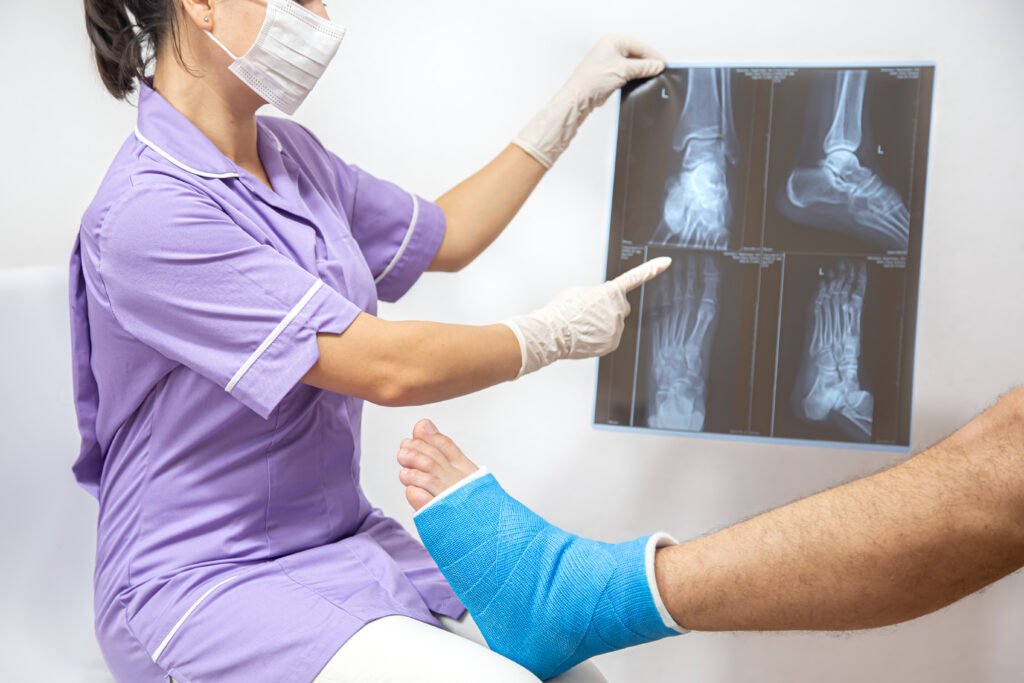
Detecting a deep bone infection requires close attention. Because osteomyelitis originates deep within the skeletal structure, its symptoms can easily be mistaken for a standard muscle strain or localized injury. However, as the infection progresses, it leaves distinct indicators that you should watch out for:
- Constant, Severe Pain: There is a constant throbbing type of pain at the site of the bone that is likely very bad during periods of increased activity (e.g., on your feet or using your hands).
- Localized Heat and Swelling: The area of the bone involved will be warmer than surrounding areas and feel tight, be painful to the touch, and have shiny/discolored skin over that area.
- Difference in Skin Color: The area of skin where pain is felt (epicenter) will have an erythematous appearance and change as the infection progresses into deeper layers of tissue. This is an indication that there is ongoing active inflammation.
- Open Draining Sinus Tracts: Old chronic wounds or surgical incisions near the infected bone that have opened up and discharge a viscous or clear fluid.
- Systemic Symptoms of Illness: Unexplained fever, chills, sweating, and general malaise are signs that your immune system is working overtime to help you fight off any type of infection in your body.
- Loss of Movement: There is a sudden loss of movement or a decrease in motion of the joint/limb at or nearest to the site of infection/bone.
What are the possible causes?
Typically, a bone infection occurs when bacteria and harmful microorganisms enter the deep tissue. Most commonly, Staphylococcus aureus bacteria manage to bypass the wound and get inside the bone matrix. This breach typically happens through three distinct pathways:
- Direct Contamination: An example of direct contamination would be if a person suffers a severe physical injury, causing their bone to break and pierce through the skin (e.g., compound fracture), they will provide an open pathway for environmental bacteria. Likewise, it is also possible for microbes to be introduced into the deep tissue layers of the body during complex orthopedic surgical procedures where an artificial plate, pin, or joint is implanted directly into the body.
- Spreading from Adjacent Tissue: e.g., soft tissue infections or severe vascular injury. When an untreated soft tissue infection develops, it may continue to worsen the surrounding tissues (muscle, skin, etc.) until it has reached the underlying bone surface.
- Bloodstream Transport (Hematogenous Spread): Bacteria can enter the bloodstream from other areas of your body, such as from an infection like an advanced urinary tract infection, a widespread skin infection, or pneumonia, and can be transported by your circulatory system to your bones through small blood vessels that feed directly into your bones. Once this occurs, bacteria can rapidly establish within the bone and become a site where bacteria grow and multiply within that bone, leading to further localized inflammation in that area of the bone and surrounding tissue.
As soon as the bacteria become established in the bones, inflammation occurs. As a result of this inflammation, there is swelling, which occurs inside the bone because of the pressure created by the rigidity of the bone. This internal pressure compresses the small blood vessels supplying the area, preventing blood from reaching it.
When this blood supply is cut off from the area of the bone where the bacteria are established, that section of bone will die from lack of nutrients and will become a separate piece of dead bone, or sequestrum. Because there is no blood supply to the sequestrum, antibiotics administered through the bloodstream cannot reach this area. Thus, the sequestrum becomes an isolated location where bacteria can continue to grow and hide from your immune system.
When should I see a doctor?
When you are dealing with a bone infection, time is the most valuable asset you have. Because when the bone infection is not treated on time, it can later lead to permanent damage.
You should get a specialized medical evaluation immediately if you notice any of the following warning signs:
Lingering Pain After Surgery: The deep, constant bone pain from a recent fracture or orthopedic operation will continue long after the usual healing time should have passed.
Reopening of Old Scars: An old surgical incision, traumatic injury site, or scar unexpectedly opens, becomes red, or begins draining clear or thick fluid.
Non-Healing Wound on Foot: You have a diabetic foot ulcer or skin wound on your lower limb, which has not improved at all after two weeks of appropriate care.
Unexplained Pain with Fever: You feel an area of tenderness on a bone accompanied by a sudden fever, chills, or night sweats without any known cause.
Worsening Localized Signs: Redness, warmth, and unpleasant odor are spreading around any skin break located over a bony prominence.
What are the treatment options for osteomyelitis?
A multi-layered, aggressive strategy must be utilized to effectively manage chronic refractory osteomyelitis. As the infection becomes isolated in dead, bloodless vertebrae, no single mode of treatment can usually adequately eradicate the infection. Thus, a coordinated, multidisciplinary clinical team utilizes a number of different therapeutic modalities in an integrated manner so that the infection can be completely eradicated.
Surgical Debridement: The surgeon will physically clean out the dead and infected bone segments, removing the non-viable components and the sanctuaries where bacteria could flourish and replacing them with healthy living tissue.
Targeted Antibiotic Therapy: Long-term, high-dose intravenous (IV) or oral antibiotics, usually for 6 weeks or more, will be given to reduce the remaining bacteria still present in circulation surrounding the infection.
Hyperbaric Oxygen Therapy (HBOT): Where traditional therapies have not been effective, advanced hyperbaric oxygen serves as a strong adjunct to promote natural healing and has an additional enhancement effect on the effectiveness of antibiotics by resolving the underlying cause of hypoxia.
How do TenMed Wound Care and Hyperbaric Medicine treat this condition?
During an HBOT session, you relax in a clear chamber where atmospheric pressure is safely increased while you breathe 100% pure, medical-grade oxygen. This pressure forces oxygen to dissolve directly into your blood plasma, bypassing blocked or damaged blood vessels to flood the starved bone tissue.
TenMed’s HBOT fights osteomyelitis through four critical actions:
- WBC Activation: It provides the intensive oxygen levels white blood cells require to effectively destroy stubborn bacteria.
- Antibiotic Synergy: It disrupts bacterial cell walls, significantly enhancing the penetration and power of your prescribed antibiotics.
- Bone Cleansing: It activates osteoclasts, the specialized cells responsible for clearing away microscopic dead bone fragments.
- Vascular Repair: It triggers angiogenesis, stimulating the growth of brand-new blood vessels to permanently restore blood flow.
Book an appointment with us today!
Conclusion: Osteomyelitis can be very difficult to combat; however, when you take everything into account, this illness can easily be overcome when attacked on all fronts. By merging surgical knowledge with targeted antibiotics, along with hyperbaric therapy’s ability to regenerate new cells, you strip osteomyelitis of its hiding spots and leave it without a place to hide. At TenMed Wound Care & Hyperbaric Medicine, we strive to help our patients regain the oxygen necessary to heal their bodies internally.
FAQs: Frequently Asked Questions
Question 1. Why is a bone infection so much harder to clear than a skin infection?
Answer. Skin has excellent blood flow, but bone is dense and rigid. When bacteria trigger inflammation inside a bone, the swelling compresses and collapses local blood vessels. This cuts off the blood supply, creating a dead zone where normal immune cells and standard antibiotics cannot reach.
Question 2. How does hyperbaric oxygen therapy help in the treatment of a deep bone infection?
Answer. The pressurized chamber dissolves pure oxygen into your blood fluid, bypassing crushed blood vessels to flood dead bone zones. This surge destroys hidden bacteria, supercharges antibiotics, and grows new blood vessels.
Question 3. What happens if a bone infection is left untreated?
Answer. If an untreated bone infection occurs, the bacteria may keep consuming your good bone, weakening it and making it a candidate for unforeseen fractures. The infection may also, over time, progress to your joints, enter your bloodstream to create life-threatening sepsis, and severely damage the limb.
Question 4. How will I be sure that my bone infection is truly healing when under treatment?
Answer. The change will be obvious to you. All your wounds associated with the bones will become dry and healed, your severe pain will slowly subside, and you will regain your mobility. At TenMed Wound Care & Hyperbaric Medicine, we stay proactive and confirm your deep healing through advanced tests and scans.