Although a small wound may not appear dangerous, bacteria can enter the wound and cause infections. If an infected wound is not taken care of, it can cause complications such as an infection in the tissues. Also, some infections may transfer to other parts of the body through the bloodstream or the nervous system and cause serious infections such as sepsis, meningitis, and even death.
It is important to recognise the signs of wound infection because most infections require the use of antibiotics in order to be cured. Patients may seek help from TenMed Wound Care & Hyperbaric Medicine in order to discuss the treatment options available for wound infections.What Are Infectious Wounds?
An infected wound is one in which germs ectlike bacteria infect the damaged skin. An infection could occur in cuts, burns, wounds from surgery, ulcers, and other types of open wounds.
Some redness, swelling, and pain are common as part of the healing process. Nevertheless, if there is increased redness, swelling, and pain, then the wound is infected.
What Causes Wound Infections?
Wound infections often occur when bacteria enter the body through damaged skin. Common causes include:
Improper wound management: Failure to properly manage a wound increases the chances of infection.
Soil/debris: Foreign objects such as soil or glass can introduce bacteria into the wound.
Animal and human bites/puncture injuries: Animal bites or puncture injuries can increase the chances of infection.
Infection: Bacteria may infect an open wound during and after a surgical operation.
Medical conditions: Diabetes, poor blood circulation, and a weak immune system increase the chances of infection or slow down the healing process.
What Are the Signs of an Infected Wound?
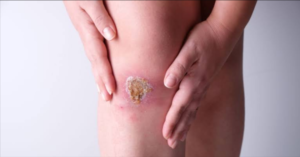
It is also crucial to know the early symptoms. The following symptoms may be evident.
- Redness or swelling on the wound increasing in severity
- Affected area feels warmer than the surrounding skin
- Pain or sensitivity at the wound site intensifies
- Yellow or greenish pus or unusual discharge from the wound
- Unusual odour coming from the wound
- Symptoms of fever or generally feeling ill
- Open sores which fail to heal
The infection might also spread from the site of injury. If redness spreads quickly, the pain is severe, or a fever develops, seek medical attention immediately, consider seeking medical help immediately. Confusion and difficulty breathing are some signs that require urgent medical assistance.
How Are Infectious Wounds Treated?
The treatment depends on the site, depth, severity, and nature of the infection in the wound.
Treatment options include:
Wound cleaning- removing any dirt or other things to prevent contamination
Debridement – where dead or damaged tissues are removed if necessary for wound healing.
Use of Dressings- Using appropriate dressings to cover and control the drainage from the wound.
Using antibiotics – Antibiotic prescription when the cause of the infection is bacterial. Not all infections will need antibiotics.
Surgery – For the treatment of abscesses, where an incision and drainage are done.
A sample from the wound may be needed to identify the bacteria causing the infection. Avoid home remedies and do not use leftover antibiotics without medical advice.
How Can You Care for an Infected Wound at Home?
If you think that you have an infection, seek a medical evaluation instead of treating yourself.
Before getting advice:
- Always wash your hands before and after handling the wound and dressing.
- Adhere to the instructions for cleaning the wound offered by your health care practitioner.
- Put a dressing on the wound using a sterile dressing.
- Do not tamper with the wound, remove the tissue, or put on any other medications unless instructed by your physician.
- See the follow-up appointments and notify any worsening of symptoms.
- Deep wounds, dog bites, wounds with foreign bodies, and injuries that might need a tetanus shot should be examined by a health care practitioner.
What Can Delay Wound Healing?
Some wounds may be slow to heal for a variety of reasons, including infection. Conditions such as diabetes, poor circulation, smoking, poor nutrition, pressure, and significant tissue damage can contribute to the delay. Moreover, an infected wound may need other treatments before it starts healing.
Getting treatment as early as possible will help determine why the wound is not healing and what should be done to help it heal.
Individuals with diabetes or poor circulation should get medical attention right away if a new wound develops on their feet or if an existing wound becomes more swollen, redder, or starts draining.
Get Help for an Infected Wound
An infected wound should not be ignored if it becomes painful, swollen, red, or starts draining. Getting medical help as soon as possible will help the healing process. If you believe your wound is not healing correctly or is infected, you should seek medical attention from a professional such as TenMed Wound Care & Hyperbaric Medicine as soon as possible. Immediate medical care can help to find out why there is difficulty in healing the wound and what needs to be done to make sure that the wound heals.
For those with diabetes and poor circulation, immediate medical care is recommended when a new wound occurs on their feet or an existing one becomes swollen, red, or drains.
Infected wounds should not be overlooked when they become painful, swollen, red, or start draining. Immediate medical care will help in the healing process.
It is important to see a doctor if you feel that your wound is not healing properly or is infected.
Frequently Asked Questions
Question No 1. How can I tell if a wound is infected?
Answer. Increasing redness, swelling, warmth, pain, pus, or fever can indicate infection. A healthcare professional can assess the wound and recommend treatment.
Question No 2. Do all infected wounds need antibiotics?
Answer. No. Treatment depends on the type and severity of the infection. Antibiotics may be needed for bacterial infections, but other wound care measures may also be necessary.
Question No 3. Can an infected wound heal on its own?
Answer. Some minor wounds improve with proper care, but a suspected infection should be assessed by a healthcare professional. Delaying treatment can allow the infection to worsen.
Question No 4. When should I seek medical care for an infected wound?
Answer. Seek prompt medical advice if redness spreads, pain worsens, pus develops, or the wound is not healing. Severe symptoms, confusion, or breathing difficulties require emergency care.