Recovering from surgery comes with the expectation that your wound will gradually heal with time. But what if it doesn’t? What if days turn into weeks, and your surgical wound still looks the same or worse? However, when you see that your wound is not following this anticipated pattern of healing, you find yourself asking, “Is this typical? Should it have taken this long?” These types of queries are fairly typical.
A surgical wound that does not heal can be irritating and uncomfortable and at times may be frightening. A wound that is not healing can also affect your daily activities, prolong your recovery, and lead to complications.
What are the common symptoms of a non-healing surgical wound?
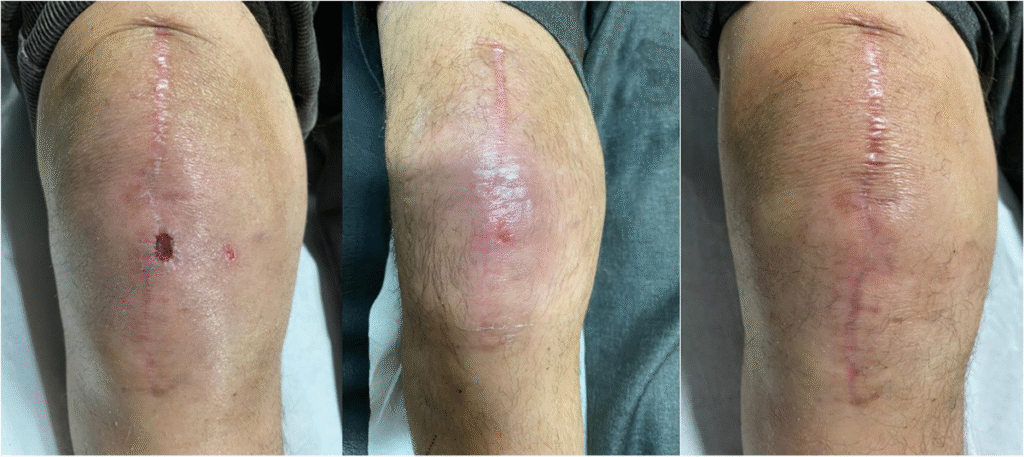
When there is a problem with wound healing, the body provides various warning signals. These symptoms develop slowly, but they signify that something is wrong with the healing process. Here are some of the most typical symptoms of a non-healing surgical wound:
- The wound remains the same size
- There is redness and swelling in the area
- Pain is constant or intensifying
- There is fluid discharge in the form of pus or blood
- The wound smells bad
- The skin around the wound becomes hot or irritated
- There is a reopening of the wound after partial healing
- No improvements have been observed for several weeks
Usually, the wound passes several phases of the healing process. However, if there is a problem with the healing, it can become stuck in the inflammatory phase.
Possible causes:
The primary cause of non-healing surgical wounds is typically related to poor blood supply, oxygenation, and infection. If any of these factors is compromised, it will negatively impact your body’s ability to heal.
The most common causes of a surgical wound not healing are:
1. Infection: Infection is among the most common causes of delayed wound healing. When an infection occurs in a wound, your body will focus on fighting the bacteria, rather than attempting to heal the wound.
This shift can increase inflammation, cause tissue damage, and delay new skin formation. As such, a wound is caught in the inflammatory stage of healing. An infected wound may appear with a fiery-red color, swelling, warmth to the touch, increased pain, and discharge of pus or odor from the wound.
2. Poor Circulation of Blood: Blood is important in the process of recovery since it transports oxygen, nutrients, and immune cells to the site of injury. With poor blood circulation:
• The site gets low amounts of oxygen
• Fewer nutrients reach the wound, which delays healing.
• And the immune cells that fight inflammation don’t reach the injured area or the wound.
It happens mostly among individuals suffering from various diseases of the blood vessels and among those who do not move about much.
3. Chronic illnesses like diabetes: There are many causes for a post-surgical wound failing to heal. One of the most common and dangerous conditions is diabetes. This disease prevents the proper healing of wounds by damaging blood vessels and limiting blood circulation.
Causing nerve damage, which means the patient feels less sensation, which will prevent them from realizing when an injury occurs
Diabetes also weakens the immune system, which makes it very easy for harmful bacteria to lurk in and infect the wound.
4. Additional Health Problems: Apart from diabetes, problems such as obesity, with a body mass index above 30, poor nutrition, or any other health problem that may affect the immune system, like autoimmune disease or the prolonged use of steroid medications, can severely interfere with your recovery process.
5. Lifestyle factor: Everyday habits can have a surprisingly big impact on healing. Like smoking, it reduces blood flow and damages collagen production, which is essential for scar tissue. Poor nutrition (especially not getting enough protein, vitamin C, zinc, and healthy fats) starves your body of the raw materials it needs to repair itself. And other factors like dehydration, lack of movement, and high stress levels can also slow down the healing.
When should you see a doctor?
Consult your doctor right away if you are feeling that your surgical incision hasn’t healed properly. Look for these signs that will indicate that you may need medical attention right away.
- The wound has not improved in the last 1-2 weeks
- There is pus, a foul odor, or unusual drainage from the wound
- You develop a fever or chills
- The wound opens or becomes deeper
- You experience an increase in pain rather than a decrease
- The wound has not healed within the last 25-30 days
What are the treatment options for non-healing surgical wounds?
The treatment you get depends on the reason for your delay in healing, but the aim of treatment remains unchanged: to remove the blockage to healing you have and to provide the additional support needed for your body to heal completely.
Depending on what is causing your delays, some commonly used treatments include:
- Cleaning and debriding the wound: This helps to gently remove any necrotic tissue, bacteria, or debris from the area of the wound so healthy new tissue can grow.
- Antibiotics: If the infection is what is causing your delays, antibiotics are used either orally, by topical application, or, in more complicated infections, via IVs.
- Advanced dressings: These types of dressings provide a barrier over the wound and create a moist environment via absorbent material on the surface of the wound, thereby providing optimal conditions to promote healing.
- NPWT (Negative Pressure Wound Therapy): These dressings provide suction to pull out any excess fluid in the area of the wound and limit swelling.
- HBOT (Hyperbaric Oxygen Therapy): This procedure involves you breathing pure oxygen in a pressurized environment or chamber, which allows more oxygen to enter your bloodstream and reach the cells involved in healing.
How do TenMed Wound Care & Hyperbaric Medicine help with a non-healing surgical wound?
At TenMed, we understand how frustrating and concerning a surgical wound not heal can be. That’s why we take a comprehensive and patient-focused approach. Our approach includes a detailed assessment of the condition. Once we identify the root cause, we switch to the next step, which is preparing a treatment plan. The treatment may include advanced wound care techniques, infection control using advanced wound care options like hyperbaric oxygen therapy, and holistic healing support.
So if you are someone who has just undergone surgery, but the wound is not healing, book an appointment with TenMed Wound Care & Hyperbaric Medicine.
Conclusion
A surgical incision that hasn’t healed previously means your body is asking for help beyond simply being delayed; it’s important to obtain appropriate medical attention as soon as possible, regardless of the reason for the delay, such as an infection, decreased blood flow, etc.
If you recognize these early warning signs and select the right course of treatment, you can avoid unnecessary complications and recover from your surgery more quickly.
FAQs: Frequently Asked Questions
Ques 1. What foods help a surgical wound heal faster and properly?
Ans. Foods that are rich in proteins, zinc, and vitamin C help a lt in wound healing. You must include foods like eggs and lean meat, fruits like oranges and berries, green vegetables, and nuts and seeds in your diet.
Ques 2. What should I avoid eating if my wound is slow to heal?
Ans. Processed foods, sugar, and junk food should not be included in your diet as they increase inflammation and slow the healing process. Instead, consume healthy/nutrient-rich meals, which will aid you in the healing process.
Ques 3. Is it normal for a surgical wound to smell after delivery or gynecological surgery?
Ans. Smelling something strange at the site of your surgical wound after having a gynecological procedure is usually not cause for concern unless it is a very strong odor or drainage of pus. This could indicate a surgical infection at the site, You should immediately contact your doctor.
Ques 4. What are the causes of non-healing surgical wounds?
Ans. A surgical wound not healing can happen due to several reasons, including:
- Infection at the wound site
- Poor blood circulation
- Diabetes or uncontrolled blood sugar levels
- Weak immune system
- Smoking or tobacco use
- Poor nutrition (lack of protein, vitamins)
Ques 5. What are the symptoms of a non-healing surgical wound?
Ans. Common signs that indicate a wound is not healing include the following:
- Persistent redness or swelling
- Pain that increases over time
- Pus or fluid discharge
- Foul smell from the wound
- Warmth around the affected area