
For diabetes patients, any minor injury or irritation on the feet, such as a minor scratch or blister, quickly worsens into a painful, deep, open sore called an ulcer. Due to nerve damage (neuropathy) and poor blood circulation, even a minor scar or scrape can easily turn into ulcers if not treated properly on time.
And traditional methods of treating wounds, such as saline wash, simple dressings, and ointments, are often unsuccessful in helping to heal these complex chronic wounds. And even if the healing proceeds, the risk of infection is always present.
Now, thanks to advances in technology, Negative Pressure Wound Therapy (NPWT) is an effective solution for healing diabetic foot wounds more effectively and efficiently.
What are the warning signs of diabetic foot ulcers you should watch for?
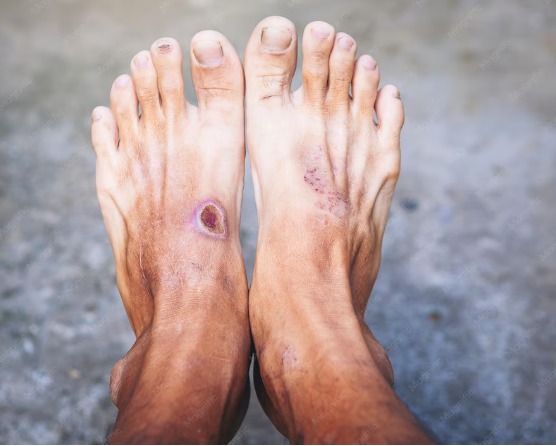
One of the biggest challenges with diabetic foot ulcers is that they often develop without causing any pain. Many people with diabetes experience nerve damage, also known as neuropathy, which can reduce sensation in the feet and make it difficult to notice an injury until it has become serious. This is why regular foot inspections are so important. Catching an ulcer early can make treatment easier and reduce the risk of complications.
Some common warning signs that indicate diabetic foot ulcers are:
- Any open sore or wound on the foot that is not healing
- Redness or inflammation around that wound
- Swelling in the foot or ankle
- Drainage or fluid leaking from the wound
- An unpleasant odor is coming from the wound
- Changes in the color of the skin, like pale yellow, blue, or red
- Pain or tenderness, although some people may not feel any pain at all
If you notice any of these symptoms, you should seek medical attention as soon as possible.
What are the causes of diabetic foot ulcers?
Diabetic foot ulcers typically develop as a result of several issues and are associated with the basic complications of diabetes, such as:
1. Damage to the nerves (peripheral neuropathy): High blood sugar levels damage the nerves in the body; the most affected parts are especially the nerve endings, such as the hands and feet. Because the nerves are damaged, you lose sensation in that area, which slows healing and, ultimately, worsens the situation.
2. Poor blood circulation: A high blood sugar level affects your blood vessels. Narrowed arteries can prevent oxygen and nutrients from getting to the feet and limit the body’s ability to naturally heal.
3. Uncontrolled blood sugar levels: Uncontrolled blood sugar weakens the immune system, and a weak immune system means that if your wounds get infected, that is not going to heal easily.
4. Abnormal shape of the foot and pressure: The presence of calluses, bunions, or wearing shoes that do not fit properly can lead to friction between the foot and excessive pressure on the foot.
5. Minor trauma: Minor injuries (small cuts, gravel in shoes, etc.) may lead to the formation of foot ulcers if one has a combination of the above.
How Negative Pressure Wound Therapy Can Accelerate the Healing of a Diabetic Foot Ulcer
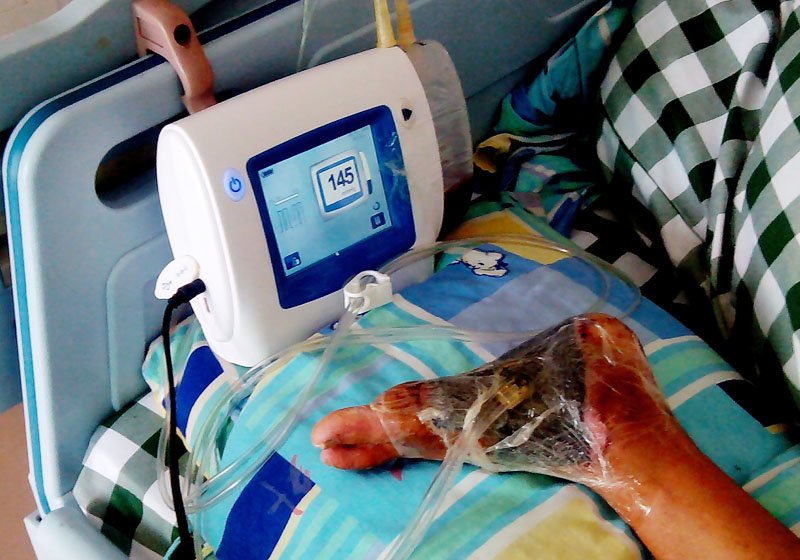
When it comes to contemporary wound therapy, Negative Pressure Wound Therapy (NPWT) has become revolutionary due to its multifaceted approach for wound healing.
The NPWT treatment involves the placement of a specific type of foam dressing to cover the wound, which is then connected to a portable vacuum unit that creates suction or negative pressure on the wound. This negative pressure on the wound pulls out all the extra fluids and any other material that is infectious.
Negative pressure wound therapy supports healing by:
- Excess Fluid Removal & Edema Reduction: Chronic wounds accumulate excessive fluid, which prolongs the wound healing process and creates undue pressure on the healthy tissue surrounding the wound. NPWT draws excess fluid from the wound, which helps in reducing edema and creating an optimum wound environment.
- Increases Blood Flow: The wounds will get an improved blood supply, so the damaged tissues get more oxygen and nutrients. The low-level suction from NPWT creates increased blood flow around the wound, and therefore, you notice rapid repair and healing of tissue.
- Assists in the formation of new tissue: New tissue growth is important for proper wound healing; otherwise, the wound remains open. Negative pressure wound therapy supports the formation of granulation tissue and quicker closure of the wound.
- Decreases the Risk of infection: The sealed dressing protects the wound from contamination from outside sources of bacteria while simultaneously also removing the excess fluids from within the wound.
How TenMed wound care & hyperbaric medicine uses NPWT to Help Patients Heal Faster
At TenMed Wound Care & Hyperbaric Medicine, our specialists carefully evaluate each patient’s condition, including blood circulation, infection risk, and overall health, then design a personalized plan that often includes negative pressure wound therapy.
We combine NPWT with other effective treatment options like silver lining debridement, off-loading support, and other advanced therapies like HBOT. Our goal goes beyond simply closing the wound; we want you walking comfortably and confidently again.
Ready to Take the Next Step Toward Healing?
Don’t let a diabetic foot ulcer hold you back any longer. With the right care, faster healing is possible. Book an appointment with TenMed today and discover how Negative Pressure Wound Therapy and our experienced team can help you recover.
Conclusion
Diabetic foot ulcers are challenging; we get it. Thanks to innovative treatments like negative pressure wound therapy, patients now have access to faster, more effective healing than ever before. We understand that diabetes can be hard to manage, and it brings different barriers that hold you back from healing. That is where NPWT helps you by removing those barriers and actively supporting your body’s natural repair process.
If you or a loved one is dealing with a foot ulcer, know that hope and real solutions exist. Taking action today with expert care can protect your mobility and quality of life tomorrow.
FAQs: Frequently Asked Questions
Question 1: Does negative pressure wound therapy hurt?
Answer. No, negative pressure wound therapy is not painful. The suction feels like a gentle tug rather than pain. At TenMed, we make sure to fine-tune the settings for maximum comfort, and many patients actually feel relief because the therapy quickly reduces swelling and drainage.
Question 2. How long will I need NPWT for my diabetic foot ulcer?
Answer. It depends on the size and depth of the ulcer. Many patients see improvement in approximately 2-6 weeks.
Question 3. Are there any risks or complications of NPWT?
Answer. While NPWT is safe and highly effective, there are some risks. Potential complications can include skin irritation, minor bleeding, or blockages in the tubing. Always contact your healthcare provider if you notice signs of infection (like pus, bad odor, spreading redness, or fever).
Question 4. What can I do daily to prevent diabetic foot ulcers?
Answer. Check your feet every day, wear properly fitted shoes, keep blood sugar under control, and never walk barefoot. Small daily habits combined with regular professional check-ups can prevent most ulcers before they start.