
An amputation is a surgery that involves removing a part of the body that is injured or infected. It could be a toe, finger, foot, leg, arm, or other part of a limb. The remaining part of the limb needs proper care and time to heal after surgery. Routine cleaning, dressing, and inspection of the wound are important parts of post-amputation wound care. Good wound care can help prevent infection, reduce swelling, and promote faster healing. Recognizing the signs of a wound problem can also help you get medical care at the right time.
What Are the Symptoms of a Post-Amputation Wound?
After amputation surgery, some pain, swelling, and soreness are normal. Some changes may mean the wound needs medical attention. Common signs that must be noticed include increasing pain, redness, swelling, warmth around the wound, bleeding, or fluid coming from the wound. Another sign of infection may be a bad smell from the wound.
The common symptoms that indicate that the infection has developed might include fever, chills, or feeling very weak. If the wound begins to open up or does not appear to be healing, it is important to see a doctor.
What Are the Possible Causes of Post-Amputation Wound Problems?
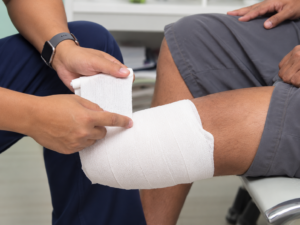
Several factors can affect the healing of an amputation wound. One of the most frequent problems is infection. Wounds that take a longer time to heal might be an indicator of poor circulation. One health condition that affects the healing process significantly is diabetes, especially for people who do not monitor their blood sugar levels closely. Nicotine use is another major reason for poor blood flow as well. Other conditions like poor eating habits, pressure swelling, or failing to perform wound care properly might also delay the healing process.
When Should You See a Doctor?
Contact your doctor if the wound has become increasingly painful, is red and swollen, or feels warm. Also, you should consult your doctor if you notice pus, unusual or discolored drainage, bleeding, or the wound smells bad.
Fever and chills are symptoms of an infection, so don’t brush them off. If the wound tears open again, undergoes a color change, or appears suddenly worse, the best thing to do is to contact your health provider as soon as possible.
Seeking medical care early helps reduce the difficulty of treatment and prevents bigger complications.
What Are the Treatment Options?
Treatment would depend on the stage of the wound and why it is not healing. The doctor may clean the wound and apply a dressing to keep it protected. Treatment can include cleaning the wound and applying a dressing to the wound to protect the area.
In case of an infection, your doctor may prescribe antibiotics. Your doctor may add other medications to help with swelling, to keep your blood flow going, or to control the pain. Some of these are only given at the hospital or a clinic and may include dressings and wound cleansing to remove dead flesh and to let healthy tissue regrow. Surgery may be needed when the wound is very deep, or the surrounding tissue shows signs of infection, or the wound has not healed by a certain date. Good nutrition supports healing, together with good blood sugar control and keeping the wound clean and the surrounding area free from infection through following up regularly as the patient goes on with healing. Your healthcare provider will decide on the most suitable treatment for your wound and your overall condition.
How Long Does a Post-Amputation Wound Take to Heal?
A person’s healing time will vary, as everyone’s body is slightly different. Healing time will be decided by a few factors, including the kind of amputation done, wound size, blood flow, age, proper diet, and general health.
Problems like diabetes and poor blood circulation could delay your healing. If regularly monitored by a health care professional, wound check-ups are also a great tool for the health care professional to know how your body is reacting to its recovery. If the health condition is not taken care of on time, the complications could become serious later; because of this, addressing the concerns in the beginning is of paramount importance.
Conclusions
Proper care is an important part of the recovery process after amputation. Keep the wound clean and change the dressings as directed. Eat healthy foods and take your medications as directed.
Always keep an eye on the wound. If you have increased pain, redness, swelling, drainage, foul odor, or fever, you should see a healthcare professional.
Healing is different for everyone, so follow the wound-care plan your doctor provides you. TenMed Wound Care Specialists can provide professional guidance and support in the recovery process if you or your loved one are looking for help with post-amputation wound care.
Frequently Asked Questions
Question No 1. What is a post-amputation wound?
Following an amputation procedure, a post-amputation wound will remain as the result of the surgical incision. The wound should be kept in very good condition, and it should be examined regularly while it is slowly healing.
Question No 2. Is pain normal after amputation?
Pain and some discomfort can be expected following the operation. Yet, if the pain is increasing or if it is getting worse suddenly, it is very important to consult a medical professional as quickly as possible.
Question No 3. How can I prevent infection after amputation?
Make sure that you adhere to your doctor’s recommendations about keeping the wound clean and covered. Do not forget to wash your hands thoroughly before you touch the wound, and do exactly what you were told for changing the dressing and taking the medicines.
Question No 4. What are the symptoms of an amputation wound infection?
Possible signs of infection could be growing redness, swelling, warmth, pain, discharge (pus), or a bad smell. Fever, chills, or any of these symptoms warrant contacting your healthcare provider.