
Pressure wounds are also known as bedsores or pressure ulcers. These are injuries to the skin and tissue underneath. Pressure sores occur when prolonged pressure on one part of the body reduces blood flow to the affected tissues. These wounds are more common in people who spend long periods in bed or sitting in a chair.
What Causes Pressure Wounds?
Pressure ulcers develop when the skin and underlying tissues are subjected to prolonged pressure, often between a bone and a surface such as a bed or wheelchair.
Risk factors include:
- Lack of mobility or an inability to change one’s body position
- Lack of sensation, leading to a reduced ability to feel pain
- Poor blood flow or fragile skin
- Exposure to moisture like sweat, urine, or feces
- Poor nutrition or dehydration
- History of pressure ulcers or serious disease
Where Do Pressure Ulcers Usually Develop?
Pressure sores usually occur at the sites where there are bones near the skin surface and exert pressure on the tissues. Some common sites include heels, ankles, hips, the tailbone area, elbows, shoulders, and the back of the head. The areas become more prone to wounds if the patient spends long hours in the same position.
Patients who often lie in bed can get pressure ulcers on their heels, lower back, hips, and shoulder blades. People who use wheelchairs can have wounds on their buttocks, tailbone, and hips because these areas bear much of their weight.
Moreover, pressure ulcers may even occur under medical devices like oxygen masks, braces, and tubes that remain in contact with the skin for long periods of time.
What Are the Signs of a Pressure Wound?
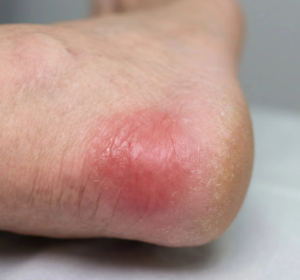
Indications include changes in skin color, temperature, or texture, as well as sensitivity or pain.
On dark skin, discoloration can be harder to notice; however, changes in color, temperature, or texture should still be checked.
The skin might form blisters, break down, and develop sores. Wounds can be serious even when they are not painful, especially when there is reduced sensation.
Consult a doctor if you believe you have a pressure ulcer. If your wound becomes warm, swollen, increasingly painful, or begins draining pus, or if you develop a fever, seek medical attention immediately.
How Are Pressure Wounds Treated?
Treatment depends on the wound’s severity, depth, location, and the patient’s overall health. Treatment options are as follows:
Alleviating pressure: Changing positions is recommended to relieve pressure on the affected skin.
Proper dressings: Correct dressings will help protect the wound and facilitate its healing.
Wound cleansing: Wounds may require cleansing according to a healthcare provider’s instructions.
Removing dead skin: Debridement may be necessary if dead tissue prevents the wound from healing.
Infection control: If there is an infection in the wound, treatment may include topical or systemic antimicrobial medications, depending on the type and severity of the infection.
Nutrition: Proper nutrition with adequate protein and fluids is recommended.
Under no circumstances should a person remove dead tissue or treat ulcers without a proper consultation with a healthcare provider.
How Can Pressure Wounds Be Prevented?
To reduce the risk:
- Change positions as recommended by the care team
- Check the skin regularly (especially heels, hips, and the tailbone area)
- Use special pressure-relieving mattresses or cushions as recommended
- Keep the skin clean and dry
- Avoid dragging a person across the bed, as this can damage the skin
- Eat well-balanced foods and drink enough water unless directed otherwise by a healthcare provider
When Should You Seek Medical Care for Pressure Sores?
Prompt attention to a pressure injury is essential to prevent complications. See your doctor if you have any changes to your skin that won’t go away.
We offer personalized wound care and assessments at TenMed Wound Care & Hyperbaric Medicine. Early assessment may assist in determining the cause of the wound and in avoiding complications. Prompt treatment is important since pressure injuries may progress from superficial wounds to deeper tissue injuries. A clinician can measure the size, depth, drainage, and skin around the wound to monitor how the wound progresses over time. The treatment plan may need to be adjusted depending on the healing process. Family members and caregivers can assist in managing ulcers by scheduling appointments and following dressing instructions.
Frequently Asked Questions
Question No 1. What are pressure wounds?
Pressure wounds, also called bedsores or pressure ulcers, are injuries to the skin and underlying tissues caused by prolonged pressure or pressure combined with shear.
Question No 2. What causes pressure sores?
Pressure sores develop when pressure reduces blood flow to parts of the body. They are more common in people who spend long periods in bed or sitting in a wheelchair.
Question No 3. What are the early signs of pressure wounds?
Early signs include changes in skin color, unusual warmth or coolness, tenderness, swelling, and changes in skin texture. On darker skin, color changes may be harder to notice.
Question No 4. How are pressure wounds treated?
Treatment may include relieving pressure, cleaning the wound, using suitable dressings, removing dead tissue when necessary, improving nutrition, and treating infections when present.
Question No 5. Can pressure wounds be prevented?
In many cases, yes. Regular repositioning, daily skin checks, pressure-relieving cushions or mattresses, good nutrition, and keeping the skin clean and dry can help reduce the risk.
Question No 6. When should I seek medical care for a pressure wound?
Seek medical advice if skin changes persist or a wound develops. Increasing redness, warmth, swelling, pus, worsening pain, or fever may indicate an infection that needs prompt assessment.
Question No 7. Can pressure wounds heal on their own?
Some early pressure injuries may improve when pressure is relieved, but open or worsening wounds need professional assessment and appropriate care to reduce the risk of complications.