
In general, it is the process of cleaning, protecting, and treating an injury to aid in the healing process. While a minor scrape may only require some soap, water, and a bandage, a serious or slow-to-heal wound requires much more. Things such as professional treatment, dressings, and months of healing may be needed.
Professional wound care has three primary functions. Firstly, it prevents infection and maintains the appropriate healing environment for the wound. Secondly, it protects the surrounding area from infection or damage. Finally, it helps promote healing. Without it, wound healing may be delayed or may not happen at all.
How do We Choose the Best Wound Care Dressing For You?
When determining which types of wound care dressings to choose, we evaluate the wound and ask the following questions:
- What kind of wound is it?
- What is the appearance of the surrounding tissues?
- What do the wound edges look like?
- Is there a large amount of drainage?
- In what stage is the wound healing?
- Which wound dressing will allow the wound to heal the best?
- Does the dressing have the ability to remain on the wound for a long time?
It is essential to keep in mind that the frequency of dressing changes plays a critical role in preventing infection. The research indicates that the risk of infection increases significantly when wounds are dressed twice per day.
3 Steps For Wound Care at Home
Many injuries begin to heal at home. This is where you can take action to jump-start the healing process and where you can monitor symptoms to see if more intensive care is needed. There are three main things you can do to care for your wounds at home.
Keep the wound clean.
Keeping things clean helps stop infection, which can lead to serious health problems. Clean the area around the wound with mild soap and water, being careful to remove any dirt or debris. This makes it a safe place to heal and lowers the risk of complications.
There’s no need to use rubbing alcohol or hydrogen peroxide, which can irritate sensitive tissue, particularly if used in excess.
Keep the dressing dry.
Change wound dressings every day unless your provider tells you otherwise. Keep dressings dry. This can help prevent infection that can occur when excess drainage is in contact with the wound. The dressing should be changed if it gets wet. Keep wounds covered and out of the open air, as this can lead to exposure to dirt, infection, and dryness, meaning that the wounds will take longer to heal.
Keep the wound covered.
A wound is covered to keep it clean from dirt, bacteria, and further injury. Apply a clean dressing. This will keep the wound dry and help it heal. It also serves as a barrier against friction and keeps the body at the best temperature for recovery.
Type of Wound Care treatment available at TenMed Wound Care Hyperbaric Medicine
Road rash injuries are injuries that occur to a person on a bicycle or motorcycle when the person slides across the road, and the skin rubs against a rough surface, such as the road. These wounds can be painful, bleed, and damage the skin. They may need cleaning, dressing, and observation for infection.
- Diabetic Wounds (Diabetic Ulcers/Diabetic Foot Ulcers)
Diabetic foot wounds are caused by a lack of blood flow and nerve damage often caused by diabetes. These wounds can become infected and heal poorly, so it is important to care for them well to avoid serious complications.
Trauma wounds are caused by an injury, an accident, a fall, or impact. Trauma wounds can be deeper into the skin and tissues below depending on the cause and severity of the wound.
- Animal Bites
These injuries are caused by the action of animal teeth and may require immediate attention to prevent infection and treatment for rabies and tetanus.
These are deliberate wounds made during surgery, for example, to remove a tumor, and require proper care to make sure they do not get infected, open up, or cause other problems.
This includes diabetic wounds and pressure ulcers, which can happen from poor circulation or pressure from staying in one position for a long period of time and don’t seem to be healing properly over a long period of time.
It results from exposure to heat, chemicals, electricity, or radiation. They are categorized by depth and extent of tissue damage and require specific treatments, including special wound dressings.
- Vascular Wounds (Arterial and Venous Ulcers)
Vascular wounds, also referred to as arterial ulcers or venous ulcers, are connected to circulatory issues. Arterial ulcers occur when there is not enough blood flow to the legs, while venous ulcers are related to poor venous return. Cancers are associated with fluid retention in the legs due to faulty valves in the veins.
- Infectious Wounds
Infectious wounds are wounds where pathogens invade the tissue and cause signs of infection such as redness, swelling, warmth, pain, pus, and slow healing. The choice of therapy depends on the microorganism involved.
They are caused by the pressure of the body weight over bony areas of the body, causing damage to the skin and the underlying tissues. It has also been reported that pressure and shear of the surface against the skin can cause pressure wounds. The wounds are usually found over the big bones like the tailbone, hips, and heels.
These are the types of wounds that are formed after the amputation of a body part. Most of the wounds are due to the cut made in the amputation surgery. Good wound management after amputation is very important to prevent infection and drainage and to promote healing.
- Radiation Wound
It is a condition that can arise following radiation exposure. It can cause skin ulceration and necrosis of the deep tissues. Radiation wounds need proper management to avoid necrosis of the tissue.
Skin tears happen when friction, pulling, or impact causes the layers of skin to separate. They are particularly common in older people and those with fragile skin and require gentle handling and appropriate dressings.
- Laceration Wounds
Laceration wounds are cuts or tears of the skin caused by a sharp object, accident, or blunt trauma. If the cut is deep, it may need to be closed with stitches or other closure methods in a hospital or emergency department, followed by appropriate wound care.
Puncture wounds are caused by a pointed object like a nail, needle, or thorn penetrating the skin. The surface opening may be small, but the wound may extend into deeper tissues and have a risk of infection.
- Abrasion Wounds
Friction creates abrasion wounds by scraping off the outer layers of the skin. Common examples are scratches from falls, and treatment is normally gentle cleaning, protection, and monitoring for infection.
- Complex Wounds
Complex wounds are wounds with extensive tissue damage, multiple co-morbidities, or complications that impede healing. They may require specialist wound care, advanced dressings, and coordinated care from different health professionals.
- Malignant Wounds
Malignant wounds happen when the skin is involved or when cancerous tissue breaks through the skin. They can cause pain, bleeding, foul smells, and oozing. Care is often about symptom control, comfort, and dealing with infection.
- Palliative Wound
Palliative wounds are wounds that develop in patients whose health status or underlying conditions may not permit complete healing of the wound. Treatment focuses on comfort, pain relief, odor control, and quality of life.
- Ostomy-Related wounds
Ostomy wounds are wounds around a surgically created opening (such as colostomy, ileostomy, or urostomy). Leakage, moisture, or irritation from the ostomy appliance can damage the surrounding skin and require special care
Wound Care Treatment with the TenMed Wound Care & Hyperbaric Medicine
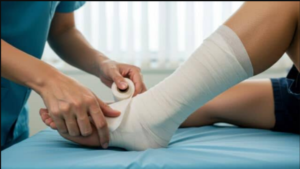
Chronic wounds are treated intensively, and the healing of chronic wounds starts with an extensive evaluation by one of our highly trained providers. This includes:
- Reviewing your medical history
- Physical exam
- Careful assessment of the size and depth of your wound
- Diagnostic testing to discover the underlying cause of your wound
- Looking for potential complications, including bone infections
At TenMed Wound Care & Hyperbaric Medicine, we provide comprehensive wound care treatments to help patients manage various types of wounds and support the healing process. If you or your loved one is looking for professional wound care in Atlanta, connect with our experienced team. We are committed to providing personalized wound care solutions to meet each patient’s needs and promote better healing outcomes.
FAQ
Question No 1. What is wound care at TenMed Wound Care & Hyperbaric Medicine?
Answer. Wound care involves cleaning, protecting, and treating wounds to support healing and reduce the risk of infection. TenMed provides wound care treatments for different types of wounds, including chronic and hard-to-heal wounds.
Question No 2. What types of wounds does TenMed treat?
Answer. TenMed provides wound care for various wounds, including diabetic foot ulcers, surgical wounds, pressure ulcers, burns, traumatic wounds, vascular ulcers, and other complex or slow-healing wounds.
Question No 3. When should I seek professional wound care?
Answer. You should seek professional wound care if a wound is not healing, becomes increasingly painful, or shows signs of infection, such as redness, swelling, warmth, or pus. Deep wounds and diabetic foot wounds should also be assessed promptly.
Question No 4. How do wound care providers choose the right dressing?
Answer. Providers assess the wound’s size, depth, location, drainage, surrounding skin, and healing stage before selecting an appropriate dressing. The dressing may be changed according to the wound’s condition and the provider’s instructions.
Question No 5. Can I care for a wound at home?
Answer. Minor wounds can often be managed at home by gently cleaning them, applying an appropriate dressing, and monitoring for signs of infection. Deep, infected, or slow-healing wounds may require professional medical care.
Question No 6. Does TenMed offer treatment for chronic wounds?
Answer. Yes. TenMed provides wound care services for chronic and hard-to-heal wounds. Treatment begins with an assessment to understand the wound and identify factors that may affect healing.
Question No 7. How can I schedule a wound care appointment at TenMed?
Answer. You can contact TenMed Wound Care & Hyperbaric Medicine to discuss your wound care needs and schedule an appointment with the team.